What Is an Insulated Lunch Backpack?
An Insulated Lunch Backpack is a portable bag designed to keep meals and drinks cooler or warmer than ordinary backpacks. Its insulated walls usually contain foam or reflective layers. These materials slow temperature changes during commutes, school days, office hours, and outdoor trips. The backpack format also spreads weight across both shoulders, making it practical for longer walks.
In daily use, the difference is easy to notice. A chilled yogurt stays firmer, while a soup container remains warm for a reasonable period. However, insulation does not create cold or heat by itself. For safer cooling, users should add frozen gel packs and place food in sealed containers. A food thermometer can provide better guidance than guessing by touch. Small details matter.
Good designs often include leak-resistant linings, padded straps, strong zippers, and separate pockets. A wide opening helps users clean crumbs and spilled dressing from the bottom. I have found that easy cleaning matters more than decorative features. A beautiful bag can still become unpleasant after one forgotten sandwich.
Capacity also deserves careful attention. A compact model may suit one meal, but it can feel crowded with fruit, utensils, and a drink bottle. Larger bags offer flexibility, though they become heavier when fully packed. Materials, stitching, and warranty information can reveal a brand’s reliability. Still, product claims should be checked against independent reviews and realistic temperature expectations. This guide explains how an Insulated Lunch Backpack works, what features deserve attention, and where its practical limits may appear.
Definition and Core Features of an Insulated Lunch Backpack
What Is an Insulated Lunch Backpack?
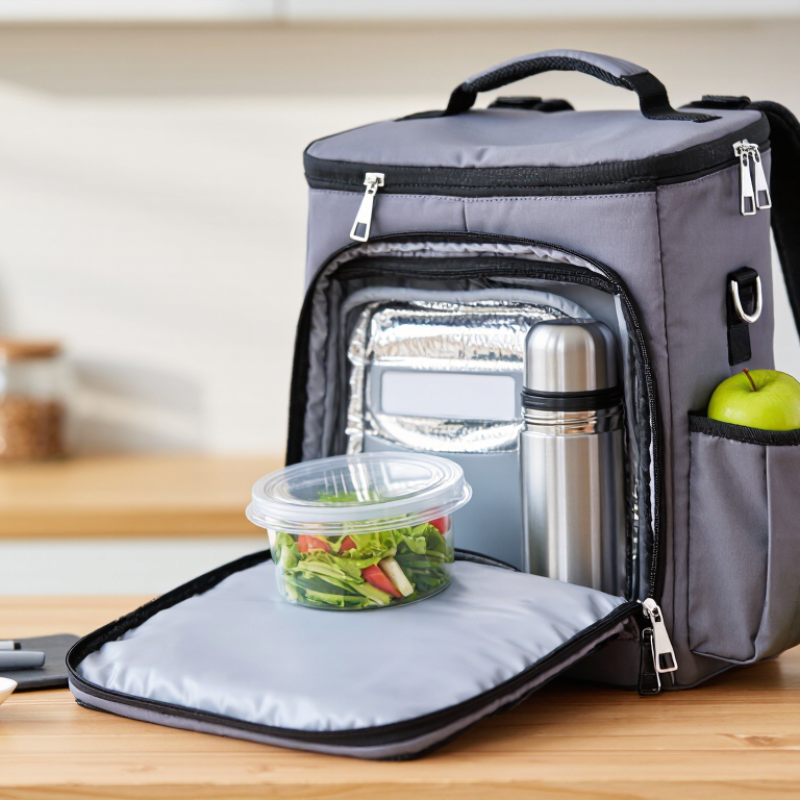
An insulated lunch backpack is a portable food bag designed to slow temperature change during travel. Its main feature is a thermal layer between the outer fabric and inner lining. Foam, reflective film, or both may reduce heat transfer. The backpack format also leaves both hands free for commuting, school, or short outdoor trips.
Definition and Core Features of an Insulated Lunch Backpack
A reliable model usually includes thick insulation, a wipe-clean liner, secure zippers, and practical compartments. The liner should resist small spills, although “leakproof” is not always completely leakproof. A separate pocket can hold cutlery, napkins, or an ice pack. Padded shoulder straps improve comfort, while a flat base helps prevent containers from tipping inside. In daily use, a strong zipper may matter more than attractive fabric.
Temperature control remains the central purpose. The USDA Food Safety and Inspection Service advises keeping perishable food below 40°F, while its guidance limits unrefrigerated exposure to two hours, or one hour above 90°F. The FDA Food Code uses 41°F as the cold-holding benchmark for many perishable foods. Therefore, an insulated backpack should be used with frozen gel packs, not treated as a refrigerator. A small food thermometer can reveal whether the bag performs as expected. That practical check is often overlooked. The design may look excellent, yet poor packing, frequent opening, or a warm ice pack can weaken its protection.
What Is an Insulated Lunch Backpack?
An insulated lunch backpack is a portable bag with a thermal lining designed to slow temperature change during food transport. Its core features typically include insulated walls, a food-safe wipe-clean liner, a secure closure, and enough structure to protect containers.
Food Temperature Targets for an Insulated Lunch Backpack
Effective insulation helps cold foods remain at or below 4.4°C (40°F) and hot foods remain at or above 60°C (140°F). The range between these points is commonly known as the food safety danger zone.
How Insulation Helps Keep Food at Safe Temperatures
What Is an Insulated Lunch Backpack?
How Insulation Helps Keep Food at Safe Temperatures
An insulated lunch backpack uses foam, reflective film, or layered fabric to slow heat transfer. It does not create cold. It only helps food remain cold for longer.
The USDA Food Safety and Inspection Service places perishable food in the danger zone between 40°F and 140°F (4.4°C and 60°C). Bacteria can multiply quickly within this range. The FDA Food Code recommends holding cold foods at 41°F (5°C) or below. A backpack with thick insulation and a frozen gel pack can support that target during a short commute.
Still, insulation has limits. The USDA advises using at least two cold sources for perishable lunches in insulated containers. Place the pack beside the food, not above it only. A digital thermometer offers better evidence than touch. Cold food can feel safe while quietly warming inside.
The two-hour rule matters. USDA guidance says perishable food should not remain unrefrigerated beyond two hours. In temperatures above 90°F (32°C), the limit becomes one hour. A closed zipper helps, too. Repeated opening releases the cooled air.
I once assumed thicker insulation always meant safer storage. That is incomplete. A warm gel pack, a hot car, or an overfilled bag can defeat good materials. Pack food cold, keep the backpack shaded, and check temperatures when safety matters.
Main Materials and Structural Components
An insulated lunch backpack is a soft carrier designed to keep food and drinks cooler or warmer during travel. Its performance depends on materials, stitching, and internal structure. The outer fabric is often polyester or nylon because both resist daily abrasion and light moisture. A tightly woven surface also handles crowded commutes better than thin fabric. However, water resistance is not the same as waterproofing.
Inside, foam insulation creates the main thermal barrier. Closed-cell foam is commonly used because it traps air and slows heat transfer. Thicker foam usually improves temperature stability, but it also increases the backpack’s bulk. A reflective lining can help return radiant heat toward the food container. The lining should be smooth and sealed, since crumbs and spilled sauces collect in rough seams. A leak-resistant interior is useful, although no soft bag should be treated as completely leakproof.
The structure includes padded shoulder straps, a reinforced base, zippers, and stitched panels. A firm bottom helps the backpack stand upright and protects containers from impact. Wide straps distribute weight across the shoulders. Double stitching at the handle matters when the bag carries glass bottles or several meal boxes. From practical use, I have noticed that zipper quality often affects convenience more than decorative features. Still, insulation can decline when foam becomes compressed or the lining develops small cracks. Materials are never perfect. Proper cleaning and full drying remain essential.
Common Uses and Suitable Food Storage Needs
What Is an Insulated Lunch Backpack?
Common Uses and Suitable Food Storage Needs
An insulated lunch backpack uses layered fabric and thermal lining to slow temperature changes. It helps keep meals cool, but it does not replace a refrigerator. For safer storage, pack chilled foods with frozen gel packs and close the zippers fully.
This type of backpack suits office commutes, school days, outdoor work, and short road trips. It can carry sandwiches, fruit, yogurt, salads, and drinks in separate containers. Leak-resistant boxes are useful for soups or sauces. Glass containers protect food well, but they add weight and may need extra padding.
Keep raw ingredients away from ready-to-eat meals. Wash the backpack liner after spills and let it dry completely. A damp interior can develop unpleasant odors quickly. I once packed too many containers and blocked the cold air around the food. The meal stayed less chilled than expected. Capacity matters more than appearance.
For hot meals, use a sealed thermal container instead of relying on the backpack alone. Leave enough space for an ice pack and avoid pressing delicate fruit against hard edges. Check the food before eating. If it smells unusual, feels warm, or has leaked, discard it rather than taking a chance. The safest storage plan depends on travel time, weather, and the food itself.
Care, Cleaning, and Selection Considerations
What Is an Insulated Lunch Backpack?
An insulated lunch backpack slows temperature changes, but it does not replace refrigeration. For safer meals, pack cold food with a frozen gel pack and keep the bag shaded. Perishable food should not sit at room temperature for extended periods. Follow current local food-safety guidance, especially during hot weather.
Care affects performance. I once rushed the drying step, and the backpack developed a stale smell after one weekend. Now I empty it immediately and wipe the lining with warm water and mild detergent. A soft cloth reaches the corners without damaging the coating. I leave every compartment open until completely dry. Do not machine-wash or tumble-dry the bag unless its care label allows it. Check the seams regularly. Small cracks can become leaks.
Selection requires practical testing. Look for a thick, food-safe insulated lining, sealed seams, and a leak-resistant inner surface. A wide opening makes cleaning easier and prevents crushed sandwiches. Separate pockets can keep fruit away from cold packs and protect books from condensation. Choose a size that fits the meals you actually carry, not an oversized bag that stays half empty. Padded straps help during commuting, while a stable base prevents spills. Some claims about insulation sound impressive, but real performance depends on the ice pack, outdoor temperature, and how often the zipper opens. My own choice has changed after ignoring that last detail.
What Is an Insulated Lunch Backpack? - Care, Cleaning, and Selection Considerations
| Data Dimension | Typical Information | Why It Matters | Practical Consideration |
|---|---|---|---|
| Definition | A backpack with an insulated compartment designed to slow heat transfer and carry food or drinks. | It helps food remain cooler or warmer than it would in a regular, non-insulated bag. | Insulation does not replace refrigeration or active heating. |
| Common Insulation | Closed-cell foam, such as polyethylene or polyethylene-vinyl acetate foam, is commonly placed between the outer fabric and inner lining. | Foam reduces conductive heat transfer while adding structure and cushioning. | Thicker or better-fitted insulation generally improves thermal performance, but may increase weight and bulk. |
| Inner Lining | Usually a smooth, wipeable plastic film or coated fabric designed to resist moisture. | A sealed, non-absorbent lining helps contain minor spills and makes cleaning easier. | Check seams and corners because gaps or exposed fabric can trap food residue. |
| Outer Fabric | Common options include polyester, nylon, and coated textiles. | The outer material affects abrasion resistance, water resistance, weight, and appearance. | Water-resistant fabric is useful in light rain, but it should not be assumed to be fully waterproof. |
| Typical Capacity | Compact lunch backpacks often hold approximately 5–10 liters; larger models may provide about 10–20 liters or more. | Capacity determines whether the bag can hold containers, fruit, snacks, drinks, and cooling packs. | Choose enough space for the meal without leaving excessive empty air around chilled food. |
| Temperature Support | Insulation slows temperature change; it does not maintain one exact temperature indefinitely. | Performance depends on starting temperature, ambient heat, opening frequency, insulation, and cooling packs. | Pack perishable food cold and use an adequate ice or gel pack when refrigeration is unavailable. |
| Food-Safety Reference | Perishable foods should generally be kept at or below 40°F (4°C) when cold storage is required. | Keeping food out of the temperature danger zone helps limit the growth of harmful bacteria. | Follow local food-safety guidance and discard food that has been left warm for too long. |
| Cooling-Pack Compatibility | A dedicated interior pocket or sufficient compartment space may accommodate reusable gel packs. | A cooling pack adds thermal mass and helps chilled food stay cold longer. | Pre-chill the pack and place it close to the most perishable items. |
| Closure Type | Zippers are common; roll-top, hook-and-loop, or buckle closures are also available. | A close-fitting closure reduces air exchange and helps prevent leaks. | Look for smooth zipper operation, covered zipper tracks, and a fully closing opening. |
| Leak Protection | Leak-resistant construction may include welded seams, coated lining, sealed corners, or a removable waterproof insert. | It helps contain liquid from a tipped container or melting cooling pack. | Leak-resistant does not always mean leakproof; use sealed food containers for liquids. |
| Cleaning Method | Most insulated lunch backpacks are cleaned by wiping the interior and exterior with mild soap and warm water. | Prompt cleaning removes food residue, odors, and moisture before they become difficult to remove. | Check the care label before machine washing, soaking, or using disinfectants. |
| Drying Procedure | Leave the bag fully open and air-dry it after wiping or washing. | Complete drying helps prevent mildew, persistent odors, and deterioration of the lining. | Avoid storing the backpack while it is damp or tightly zipped shut. |
| Stain and Odor Care | Use a soft cloth or sponge with diluted mild detergent; rinse residue with a clean damp cloth. | Gentle cleaning protects coatings, printed surfaces, zippers, and foam-backed layers. | Avoid bleach, abrasive brushes, strong solvents, and high heat unless the care label specifically permits them. |
| Organization Features | Useful features may include bottle holders, utensil pockets, separate dry-item compartments, and an interior divider. | Organization protects food containers and makes the contents easier to access. | Separate wet and dry items to reduce moisture transfer and cross-contamination. |
| Comfort and Fit | Padded shoulder straps, a breathable back panel, and an adjustable sternum strap can improve carrying comfort. | A comfortable fit is important when the backpack is carried over longer distances. | Select strap length and bag dimensions appropriate for the user’s body size and daily load. |
| Weight Consideration | Insulation, padding, hardware, and extra compartments add weight compared with a simple fabric bag. | A lighter backpack is easier to carry, while heavier construction may offer greater durability or structure. | Compare empty weight with the expected food, drink, and cooling-pack load. |
| Durability Indicators | Reinforced stitching, strong zippers, abrasion-resistant fabric, and protected base panels are useful indicators. | Durable construction can withstand repeated loading, transport, and cleaning. | Inspect stress points, strap attachments, bottom corners, and zipper seams before purchase. |
| Best Use Cases | Suitable for school, office, commuting, day trips, picnics, and short outdoor activities. | The backpack format keeps hands free and distributes the load across the shoulders. | For extended travel without reliable cold storage, use a purpose-designed cooler and follow food-safety guidance. |
| Selection Priority | Prioritize capacity, insulation design, cleanability, leak control, comfort, durability, and intended use. | Matching the design to the daily routine usually provides better value than choosing by appearance alone. | Review the care instructions, dimensions, empty weight, compartment layout, and warranty terms before buying. |
Article Source:
Have Questions? We're Here to Help!
Give us a call at (864) 989-0566 or send us a message to discuss our testing equipment with an expert.