What Is an Environmental Chamber Used For?

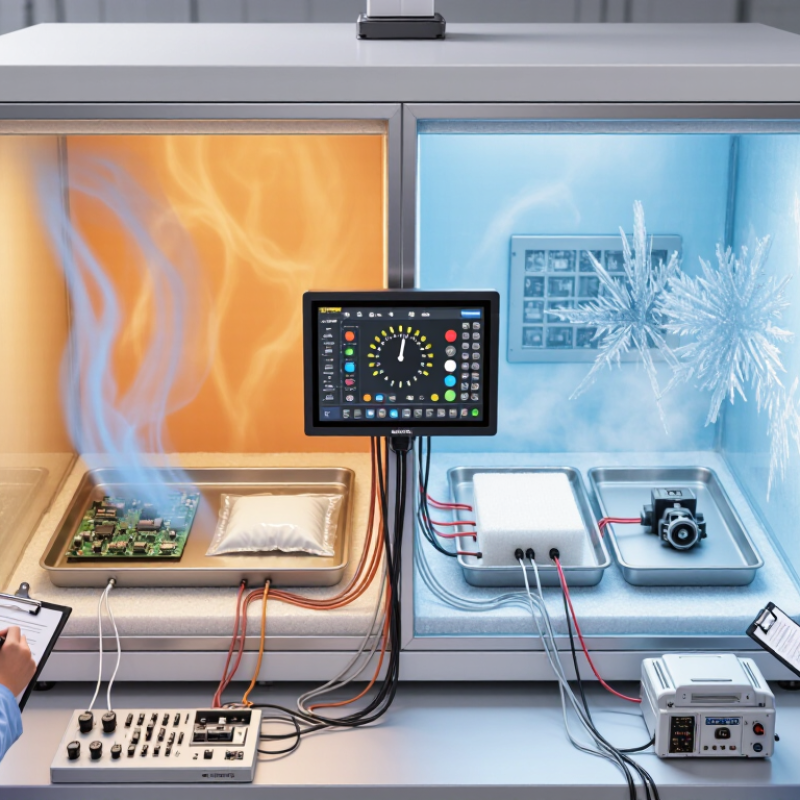
An environmental chamber creates a controlled setting for testing how products respond to temperature, humidity, and other environmental conditions. A test sample may sit beneath a steady stream of warm, moist air, then face a programmed cold cycle. Sensors track the changes. The goal is not merely to expose a product to harsh conditions, but to observe its performance in a repeatable way.

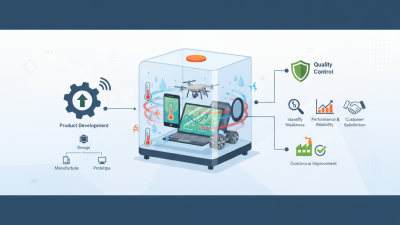
These chambers support research, product development, and quality testing across industries. Teams use them to evaluate materials, electronics, packaging, and components before products face real-world conditions. An environmental chamber can reveal a seal that weakens after repeated temperature shifts or a circuit that behaves differently in damp air. Small details matter. Test results depend on careful setup, calibrated sensors, and clear records; a chamber cannot make poor test design reliable.

“Controlled conditions turn environmental stress into measurable evidence.” This is an original editorial principle, not a quotation attributed to a named expert. Because no source material or verified expert statement was provided, attaching a name to it would risk misrepresenting a real person. The sections ahead explain common chamber types, typical applications, and the factors that help teams choose and use a chamber effectively.
What Is an Environmental Chamber Used For?

What Is an Environmental Chamber?

What Is an Environmental Chamber Used For?

What Is an Environmental Chamber?

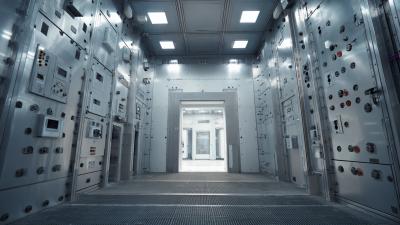
An environmental chamber is an enclosed test space that controls conditions such as temperature, humidity, and sometimes light or vibration. Sensors monitor the chamber, while control systems adjust conditions to match a test plan. Inside, a small component may sit on a metal shelf, surrounded by circulating air. The goal is to expose samples to repeatable conditions, not simply to make them hot or cold.

These chambers help engineers examine how materials, electronics, packaging, and other products respond to environmental changes. A test might hold a sample at low temperature, then raise humidity and observe whether its shape, performance, or appearance changes. Some chambers create rapid temperature shifts; others maintain steady conditions for long periods. Test details matter. A chamber’s size, temperature range, humidity capability, and uniformity affect which procedures it can support.

A chamber does not automatically prove that a product will perform well everywhere. Results depend on sensor calibration, sample placement, airflow, and the chosen test cycle. Even a slight difference between shelf locations can matter. In practice, technicians document settings and inspect samples throughout testing. The setup can still miss real-world factors, such as sunlight or handling. That limitation deserves attention.

What Is an Environmental Chamber Used For? - What Is an Environmental Chamber?

Application What the Chamber Simulates Typical Items Tested What the Test Can Reveal
Temperature testing Controlled high, low, or changing temperatures Electronic assemblies, materials, components, and consumer products Temperature-related performance changes, material deformation, or functional failures
Humidity testing Controlled relative humidity, sometimes combined with temperature Electronics, packaging, coatings, and moisture-sensitive materials Moisture absorption, corrosion risk, swelling, or changes in electrical performance
Thermal cycling Repeated transitions between specified temperature levels Solder joints, circuit boards, connectors, and assembled products Fatigue, cracking, loosening, or other damage caused by repeated expansion and contraction
Temperature and humidity cycling Programmed changes in both temperature and humidity Electronic devices, seals, plastics, and packaged goods Combined environmental effects such as condensation, moisture ingress, or material degradation
Accelerated aging Elevated or controlled environmental conditions over a planned exposure period Polymers, adhesives, coatings, components, and product samples Changes in appearance or performance that may help compare durability under defined test conditions
Stability testing Maintained temperature and humidity conditions over time Pharmaceutical, cosmetic, food, and other packaged products Changes in product quality or packaging during controlled storage studies
Material conditioning Specified temperature and humidity before measurement or processing Textiles, paper, plastics, composites, and test specimens More consistent comparisons by bringing samples to defined environmental conditions
Product qualification and development One or more controlled environmental profiles selected for a product Prototypes, production samples, and subassemblies Whether a product meets project requirements and where design improvements may be needed

Note: An environmental chamber is an enclosure that controls conditions such as temperature and humidity for testing, conditioning, or storage studies. Test conditions and durations should be selected for the product and applicable procedure; results from accelerated tests do not automatically predict real-world service life.

How Does an Environmental Chamber Control Test Conditions?

An environmental chamber controls temperature, humidity, and sometimes airflow to reproduce conditions a product may face in service. A refrigeration circuit removes heat; electric heaters add it. Humidifiers and dehumidification coils adjust moisture, while sensors feed readings to a controller. The controller compares each reading with the programmed setpoint and corrects deviations. Small details matter: a loaded shelf can block airflow, creating warmer or more humid pockets than the display suggests.

For reliable results, engineers define a test profile, place calibrated sensors near the product, and allow conditions to stabilize before recording data. IEC 60068-3-5:2018 describes methods for confirming temperature-chamber performance, including temperature fluctuation and spatial variation. These measurements help reveal whether a chamber holds conditions evenly—not merely whether its screen shows the target. A profile might cycle between -40°C and 85°C, but those values are examples, not universal requirements; the product specification should set the limits and dwell times. Humidity needs equal care. At low temperatures, condensation or frost can complicate control. It is not always neat. A test log should capture actual chamber readings, sensor locations, and any interruptions, so another engineer can judge what the product experienced.

What Products and Materials Are Tested in Environmental Chambers?

What Is an Environmental Chamber Used For?

What Products and Materials Are Tested in Environmental Chambers?

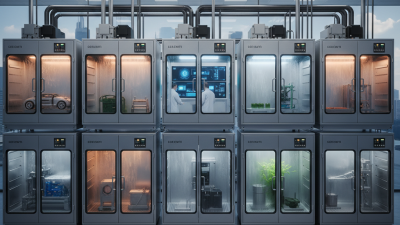
Environmental chambers expose products and materials to controlled conditions, such as heat, cold, humidity, and temperature changes. Engineers test electronic assemblies, batteries, medical devices, automotive components, packaging, and household equipment. A small circuit board might sit in warm, humid air while sensors track performance. A plastic housing may be cooled and warmed repeatedly to reveal cracks or warping.

Materials are tested too. These include plastics, rubber seals, coatings, adhesives, metals, fabrics, and paper products. A coated metal panel, for example, can be checked for color changes or corrosion after exposure to moisture and heat. Packaging may be conditioned before drop or compression tests, since humidity can soften cardboard. Small details matter.

The right test depends on the product’s intended environment and the question being asked. A steady temperature test can show whether a device operates in heat, but it may not reveal damage caused by rapid temperature shifts. Chamber results are useful, not magical. Fixtures, sensor placement, and test duration can affect what the data shows. Sometimes the setup itself needs another look. Teams should document conditions carefully and interpret results alongside real-world use, rather than treating one chamber cycle as proof of long-term reliability.

Which Industries Use Environmental Chambers?

Environmental chambers are used across industries that need to see how products respond to controlled heat, cold, humidity, or repeated temperature changes. In electronics, engineers test circuit boards, sensors, and battery components for failures such as condensation, cracked solder joints, or unstable readings. Small details matter. A connector may work at room temperature but loosen after repeated cold-to-hot cycles.

Automotive and aerospace teams use chambers to evaluate materials, cabin components, and instruments under conditions that resemble service environments. Medical-device manufacturers may test packaging and equipment for storage stability, while pharmaceutical laboratories use controlled chambers to study how temperature and humidity affect product quality. In food production, chambers can support tests of packaging and shelf-life conditions, though they do not replace dedicated safety or microbiological testing. Different purposes.

Research laboratories and manufacturers of plastics, coatings, and building materials also rely on chamber testing. They may expose samples to humidity, heat, or rapid temperature shifts, then inspect for warping, fading, brittleness, or changes in performance. Test settings should reflect the product’s real use, not simply the most extreme conditions available. That part is easy to overlook. Results are useful only when sensors are calibrated, samples are prepared consistently, and test limits are documented. A chamber can reveal weaknesses, but it cannot explain every failure on its own.

What Are Environmental Chambers Used For?

Environmental chambers expose products and materials to controlled conditions to evaluate performance, reliability, and durability. The chart shows common test types by industry; it indicates relevance, not how frequently each test is performed.

What Are the Main Types of Environmental Chambers?

What Is an Environmental Chamber Used For?

What Are the Main Types of Environmental Chambers?

Environmental chambers recreate conditions that products may face during storage, shipping, or daily use. Temperature and humidity chambers are among the most common. They can expose a circuit board, medical component, or packaged food sample to changing heat and moisture. Engineers watch for corrosion, swelling, cracking, or performance drift. Small details matter: a damp connector may fail before the main housing shows damage.

Temperature-only chambers control heat or cold, while thermal shock chambers move samples rapidly between hot and cold zones. This helps reveal stress from sudden temperature changes. Altitude chambers reduce air pressure to simulate high elevations, which can affect sealed packaging and cooling systems. Salt spray chambers create a corrosive, salty mist for testing coatings and metal parts. They do not perfectly reproduce years outdoors, though. That limitation deserves attention.

Some facilities use light or specialized gas chambers for focused tests. The right choice depends on the product, the failure being investigated, and the test duration. A chamber’s setpoint alone is not enough; airflow, sensor placement, and sample loading can change results. Good practice includes calibrated sensors, documented test cycles, and careful inspection before and after exposure. Even then, laboratory conditions are only a model of the real world.

Request a Quote

For more information on our instruments, consumables, or services, or to request a quote, complete the contact form below, and one of our associates will reach out to you!

Request a Service Quote

To request service on your machine(s), complete the contact form below, and one of our associates will reach out to you!

Browse by:

  • Test Property
  • Manufacturer