China Top Vital Injector for Mesotherapy?
Choosing a China-based vital injector for mesotherapy requires more than comparing prices or polished product images. The device should be evaluated through clinical practicality, manufacturing transparency, and reliable technical support. A qualified practitioner must understand injection depth, dosage control, skin anatomy, and patient suitability. Equipment cannot replace professional judgment.
This guide explores what may define a leading China vital injector, including pressure stability, adjustable settings, needle compatibility, cleaning procedures, and operator comfort. Small details matter. A steady handpiece can reduce fatigue during repeated treatments. Clear controls can help practitioners avoid unnecessary adjustments. Documentation matters too, especially when confirming quality systems, product testing, training, and regional compliance requirements.
The phrase “Mesotropia of the Vital Injector” may appear in related searches, although its meaning is not medically precise. It deserves clarification rather than blind repetition. That is one limitation of online product research. A trustworthy assessment should separate verified specifications from marketing language and user impressions. Independent feedback can be useful, but it is not the same as clinical evidence. Buyers should request current certificates, service terms, warranty details, and training resources before making decisions. They should also confirm whether the device suits their approved treatment protocols and local regulations. Performance claims need careful review. Even an advanced injector may produce inconsistent results when maintenance, technique, or patient screening is inadequate. The strongest choice is not always the newest model. It is the one supported by evidence, responsible manufacturing, and competent hands.
What Is a Vital Injector for Mesotherapy?
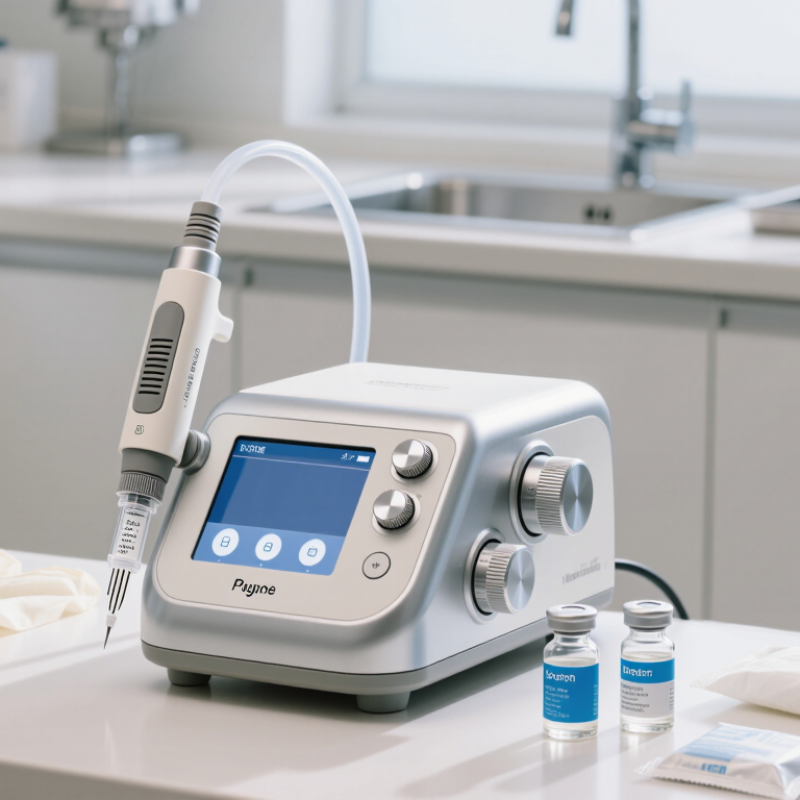
A vital injector for mesotherapy is a professional device that delivers small amounts of approved skin-care solutions into selected skin layers. It usually uses fine needles or needle-free pressure technology. The goal is controlled placement, not simply deeper injection.
During treatment, a trained practitioner adjusts needle depth, speed, and product volume for each area. Cheek skin may need different handling than the delicate skin around the eyes. A careful consultation should review allergies, medicines, skin conditions, and treatment expectations. Results can vary. They may also be temporary, and the procedure is not suitable for everyone. From practical experience, rushing the settings can create uneven swelling or unnecessary discomfort. That detail is easy to overlook.
Tips: Choose a qualified medical provider and ask how the device is cleaned and maintained. Confirm that cartridges, needles, and other contact parts are sterile and single-use when required. Ask which product is being used, where it is authorized, and what aftercare is recommended. Avoid treatment over irritated or infected skin. Mild redness may occur, but severe pain, spreading swelling, or unusual skin color needs prompt medical attention. Keep records of the settings and products used. It helps with future decisions.
How Does a Vital Injector Deliver Mesotherapy Treatments?
A vital injector delivers mesotherapy through a controlled series of shallow injections. It may use several fine needles, depending on the device design. The operator sets the injection depth, volume, spacing, and delivery speed. These settings help distribute an approved sterile solution across a selected skin area.
The process begins with consultation and careful skin assessment. A trained medical professional cleanses the skin and marks the treatment zone. The injector then enters the superficial skin layer with consistent pressure. Small amounts of solution are released at repeated points. Patients may feel brief pinches or mild pressure. Redness and tiny raised spots can appear afterward.
Good technique matters more than impressive equipment. Skin thickness, sensitivity, and treatment goals vary from person to person. A cautious practitioner adjusts the settings instead of copying a fixed protocol. Poor depth control may cause uneven results, discomfort, or unnecessary bruising. That risk is easy to underestimate. In practice, no device removes the need for clinical judgment. I would also question any promise of dramatic, permanent improvement after one session. Proper sterilization, qualified operation, informed consent, and clear aftercare guidance remain essential. Availability and approved applications may differ under local regulations.
Key Features of Vital Injectors Available in China
A vital injector for mesotherapy in China should be judged by control, traceability, and clinical handling. The ISAPS 2023 Global Survey recorded more than 19 million non-surgical aesthetic procedures worldwide. That demand increases the need for consistent delivery, not louder marketing. Adjustable dose settings help practitioners manage different facial zones. Fine needle options can support more even superficial application. Useful.
Key features include stable pressure, low vibration, and a clear control interface. A lightweight handpiece matters during repeated injections. Multi-needle heads may reduce treatment time, but they require careful spacing and cleaning procedures. Single-use sterile components can lower cross-contamination risks when properly packaged and discarded. The device should also provide batch information, instructions, and maintenance records. In China, buyers should verify applicable NMPA registration details and inspect the manufacturer’s quality system, such as ISO 13485 certification.
Clinical experience still matters more than impressive specifications. A 2023 report from the International Society of Aesthetic Plastic Surgery shows strong global demand, yet procedure volume does not prove device quality. I would test dose accuracy with a measured liquid sample before procurement. I would also review error alerts, battery performance, and operator training. One limitation remains: published comparisons between injector models are often narrow. Therefore, selection should combine technical documents, supervised trials, and qualified medical judgment.
How to Assess Vital Injector Manufacturers and Models
China Top Vital Injector for Mesotherapy? How to Assess Vital Injector Manufacturers and Models
Choosing a vital injector starts with the manufacturer, not a sales ranking. Ask how the device controls injection depth, volume, and pressure. Clear, adjustable settings matter more than a long feature list. Check whether the manufacturer provides user training, maintenance guidance, and responsive technical support. Request model-specific documentation, including cleaning instructions and details about disposable components. Small details matter. They affect daily use.
Compare models using consistent criteria. Request test data or demonstrations that show how evenly the device delivers its intended settings. Ask how the manufacturer checks quality between production batches and handles reported faults. Confirm that service parts and trained technicians will be available where the device is used. Review clinical information critically; promotional claims are not a substitute for evidence. I would not choose based on price alone, though budget still matters. A neat brochure can hide unanswered questions.
Tips: Make a checklist before contacting suppliers. Ask the same questions of each one, then compare written answers. Have qualified clinical staff review usability and training needs. If a claim feels vague, ask for specifics. It is easy to miss something.
Safety, Training, and Regulatory Considerations in China
Choosing a reliable injector for mesotherapy in China begins with the clinic, not the product brochure. The device should have applicable registration or filing through China’s National Medical Products Administration. Its intended use, Chinese labeling, and operating instructions require careful verification. Clinics should also confirm supplier documentation, batch details, maintenance records, and complaint procedures. Traceability matters when an unexpected reaction occurs.
Training matters. Practitioners need strong knowledge of facial anatomy, injection depth, aseptic technique, and patient assessment. Hands-on training should include supervised practice, controlled injection pressure, needle handling, and safe disposal. Emergency preparation is essential, including recognition of infection, vascular complications, allergic reactions, and abnormal swelling. A certificate alone is not enough. Real competence develops through repeated assessment and honest feedback.
Patients should receive clear information about the substance, expected effects, possible risks, and alternative options. Written consent should match the actual procedure, not a generic form. Reliable clinics record treatment settings, product information, injection sites, and follow-up findings. A practical weakness remains: some training programs emphasize device operation but give too little attention to patient selection. That gap deserves reflection. Safer practice requires slower decisions, stronger documentation, and willingness to postpone treatment when the indication is uncertain.
Article Source:
Have Questions? We're Here to Help!
Give us a call at (864) 989-0566 or send us a message to discuss our testing equipment with an expert.