What Is a Fusion Welding Machine and How Does It Work?
A Fusion Welding Machine joins thermoplastic pipes by heating their matching surfaces and pressing them together. Unlike mechanical fittings, it creates a continuous connection through controlled molecular fusion. This process is common in water systems, gas distribution, industrial pipelines, and chemical processing equipment. The machine may look simple, but accurate results depend on heat, pressure, alignment, and cooling time.
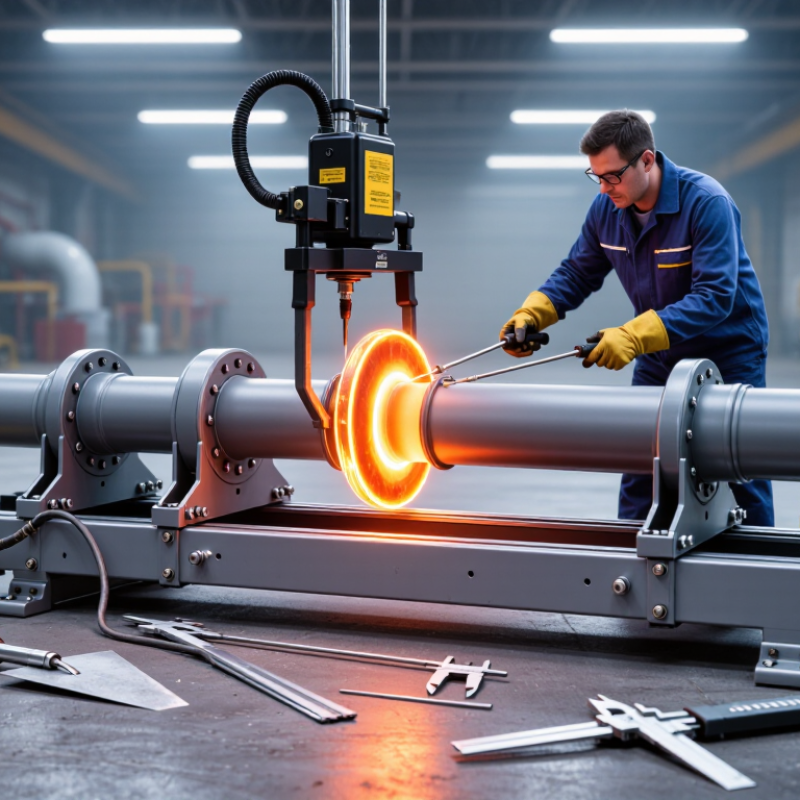
In practical operation, an operator secures two pipe ends in clamps before facing them flat. A heated plate then warms the prepared surfaces until a small, even bead appears. The plate is removed carefully, and the softened ends meet under measured pressure. They remain fixed while the joint cools. Temperature displays, hydraulic gauges, and alignment tools help maintain consistency. However, readings alone cannot guarantee a sound weld. Surface contamination, wind, incorrect pressure, or rushed cooling can weaken the connection.
Good welding practice combines manufacturer instructions, trained judgment, and documented inspection. Experienced technicians check pipe compatibility, plate cleanliness, ambient conditions, and bead formation before accepting a joint. Standards and local regulations also influence equipment selection and testing requirements. A Fusion Welding Machine is reliable when its parts are maintained and its parameters are verified. It is not magic. Small mistakes can remain hidden until pressure exposes them. This guide explains the machine’s main components, working cycle, suitable applications, and practical limitations. It also considers why careful preparation often matters more than welding speed. Some field conditions are difficult to control, so responsible operators record deviations instead of pretending every joint is perfect.
What Is a Fusion Welding Machine?
A fusion welding machine is a tool for joining thermoplastic pipes and fittings. It uses controlled heat, pressure, and cooling to create one continuous connection. Unlike adhesive joining, it does not rely on glue or solvents. The pipe ends become soft, meet under pressure, and form a molecular bond as they cool.
Most machines include a clamping frame, alignment guides, a heating plate, and a hydraulic or mechanical pressure system. A technician first cleans and squares the pipe ends. The machine then holds them firmly while the heating plate warms the surfaces. After removing the plate, the softened ends are pressed together without twisting. Cooling time matters.
A clean bead around the joint usually shows proper contact. However, appearance alone cannot prove strength. Incorrect temperature, uneven pressure, or poor alignment may create hidden weaknesses. Field technicians should check the pipe material, wall thickness, ambient temperature, and approved welding procedure before starting. Wind and dust can also affect the heated surfaces.
The process is simple to describe.
It is less forgiving in practice.
Even experienced operators may rush the heating stage or move the pipe too early. That mistake is worth reflecting on, because a strong-looking joint can still fail later. Regular equipment checks, calibrated controls, and documented inspection results improve reliability. Proper training remains essential, especially when joining large-diameter pipes or working in changing outdoor conditions.
Core Components and Their Functions
A fusion welding machine joins materials by heating their edges until they soften or melt. The parts then cool together and form a permanent bond. In practice, the machine’s performance depends on several core components working as one system.
The heating element transfers controlled heat to the joint area. Depending on the design, it may use a plate, resistance system, or focused energy source. Clamps hold the workpieces firmly and prevent movement during heating.
Alignment guides keep the edges level, although small setup errors can still affect the finished joint. A pressure system then pushes the softened surfaces together. Too much pressure can force out useful material. Too little pressure may leave weak contact.
The control unit manages temperature, pressure, and timing. It may also record welding data for later inspection. Sensors provide feedback, but they are not perfect. Regular calibration remains important.
Tips: Clean the joining surfaces before heating. Check alignment from several angles. Do not rush the cooling stage. A joint can look smooth and still contain internal weakness. In my experience, operators often focus on heat settings and overlook clamp condition. Worn clamps can create uneven pressure. That small issue matters. Always follow the machine’s technical instructions and use suitable protective equipment. Practice on test pieces first, because real materials may react differently than expected.
How the Fusion Welding Process Works
Fusion welding machines join thermoplastic components by melting their contact surfaces, then pressing them together. The process creates one continuous joint, rather than relying on bolts or adhesives.
How the fusion welding process works is straightforward but sensitive. Operators first clean, align, and clamp both pipe ends. A facing tool removes uneven material. The machine then presses the ends against a heated plate, commonly at 204–232°C for polyethylene pipe, as specified by ASTM F2620. After heating, the plate is removed quickly. The softened ends meet under controlled pressure. They cool while clamped, forming a visible, even bead. ISO 21307 also emphasizes alignment, heating, joining, and cooling control. Small timing errors can weaken the joint. Real job sites are rarely perfect. Dust, wind, oval pipe, and rushed cooling can change results. A neat bead helps, but it does not prove the entire weld is reliable.
Tips: Keep the heater surface clean. Check alignment before heating. Record temperature, pressure, and cooling time. Never move the joint too early. The American Welding Society’s 2023 workforce report projected a need for 330,000 new welding professionals by 2028, making structured training increasingly important. Yet training alone is not enough. Operators should review failed joints, question unusual bead shapes, and inspect equipment before each shift.
What Is a Fusion Welding Machine and How Does It Work? - How the Fusion Welding Process Works
| Data Dimension | Typical Information | How It Relates to the Process |
|---|---|---|
| Definition | A fusion welding machine joins compatible thermoplastic components by heating their surfaces until they soften, applying controlled pressure, and allowing the joint to cool. | The materials become one continuous joint without threaded fittings, adhesives, or conventional filler metal. |
| Primary Materials | Common materials include polyethylene (PE), polypropylene (PP), polyvinylidene fluoride (PVDF), and other compatible thermoplastics. | The pipe, fitting, or sheet must be made from a compatible material and approved grade for the intended application. |
| Main Fusion Methods | Butt fusion, socket fusion, saddle fusion, and electrofusion. | The selected method depends on the component geometry, pipe diameter, material, installation conditions, and applicable joining procedure. |
| Butt Fusion | Two prepared pipe ends are aligned, heated against a flat heating plate, brought together under controlled force, and held until cooled. | It is widely used for joining thermoplastic pipe sections with matching outside diameters and wall structures. |
| Socket Fusion | The outside of a pipe and the inside of a socket fitting are heated with matched tools and then pressed together. | It is generally used for smaller-diameter piping and fittings where a socket connection is suitable. |
| Electrofusion | An electrically heated fitting melts the contact surfaces of the fitting and pipe to create the joint. | It is useful where access is limited or where conventional butt-fusion equipment cannot be positioned easily. |
| Core Machine Components | Frame or clamps, alignment guides, hydraulic or mechanical actuator, facer, heating plate, control unit, and pressure or temperature indicators. | Each component controls alignment, surface preparation, heating, joining force, and cooling conditions. |
| Surface Preparation | Pipe ends are cleaned and mechanically faced to remove oxidation, contamination, and uneven surfaces. | Clean, square, and parallel surfaces help produce complete contact and reduce the risk of weak or misaligned joints. |
| Typical Heating Range | Many PE and PP fusion procedures use a heating-tool surface temperature of approximately 200–230°C (392–446°F), but the approved procedure governs the exact value. | Temperature varies with resin type, pipe dimensions, equipment, ambient conditions, and the applicable standard or manufacturer procedure. |
| Heating Stage | The prepared surfaces are pressed lightly against the heating element until a controlled melt bead or softened layer forms. | The goal is to soften the joining surfaces without overheating, degrading, or contaminating the thermoplastic. |
| Changeover Stage | The heating plate is removed quickly while the softened pipe ends remain aligned. | A short, controlled changeover helps prevent excessive cooling or contamination before the joint is formed. |
| Fusion and Pressure | The softened surfaces are brought together under the pressure specified by the joining procedure and equipment settings. | Correct pressure promotes molecular interdiffusion while limiting excessive melt displacement and bead deformation. |
| Cooling Stage | The joint remains clamped and undisturbed until it has cooled sufficiently to handle. | Moving or stressing the joint before adequate cooling can reduce alignment and joint strength. |
| Key Process Variables | Material type, pipe outside diameter, wall thickness, heating temperature, heating time, changeover time, fusion pressure, and cooling time. | These variables must be selected as a coordinated set; changing one value can affect the quality of the entire joint. |
| Common Applications | Potable-water pipelines, gas distribution systems, wastewater lines, industrial process piping, mining slurry lines, and agricultural irrigation. | Fusion is selected when a leak-resistant, corrosion-resistant, and continuous thermoplastic pipeline is required. |
| Main Advantages | Leak-resistant joints, no separate adhesive, strong chemical resistance, low internal flow restriction, and suitability for many field installations. | A properly made fusion joint can have performance comparable to or greater than the surrounding thermoplastic pipe, depending on the application and procedure. |
| Limitations | The process requires compatible thermoplastics, trained operators, suitable equipment, controlled conditions, and access for alignment and clamping. | It is not suitable for every plastic or for materials that cannot be softened and reformed by heat. |
| Quality Inspection | Visual inspection checks bead formation, symmetry, alignment, contamination, and surface defects. Pressure testing or other non-destructive testing may also be required. | Inspection verifies that the joint meets the project specification and the relevant joining standard. |
| Safety Requirements | Use heat-resistant gloves, eye protection, protective clothing, guarded equipment, stable work surfaces, and adequate ventilation. | Heating plates can cause severe burns, and moving clamps or hydraulic components can create pinch and crush hazards. |
| Overall Working Principle | Prepare, align, heat, join, press, and cool compatible thermoplastic surfaces in a controlled sequence. | Heat and pressure allow polymer chains from the two surfaces to intermingle; cooling then solidifies the fused connection. |
Common Types of Fusion Welding Machines
A fusion welding machine joins materials by heating their matching surfaces until they soften. Pressure then brings the softened areas together, allowing them to cool into one continuous joint. The process is common in thermoplastic pipe installation because it can create strong, leak-resistant connections without added fittings. Temperature, heating time, alignment, and cooling pressure must remain controlled. Small variations matter.
Butt fusion machines are widely used for joining pipe ends of the same diameter. Clamps hold both sections, while a heated plate softens their faces. The plate is removed, and the pipes are pressed together under measured pressure. Socket fusion machines work differently. A heated tool softens the outside of one pipe and the inside of a socket fitting. The parts are then pushed together by hand or with a compact frame. This method suits smaller pipe systems and restricted work areas.
Electrofusion machines use fittings containing embedded heating wires. The machine sends a controlled electrical current through the fitting, melting the surrounding plastic. They are useful where pipe movement is limited or precise alignment is difficult. Infrared fusion machines use radiant heat instead of direct contact plates, reducing surface contamination. However, they demand careful calibration and clean working conditions. In practice, the machine choice depends on pipe size, material, access, and joint pressure. Even experienced technicians can overlook cooling time. That weakness deserves attention. A joint may look perfect while remaining mechanically unreliable.
Key Applications and Safety Considerations
A fusion welding machine joins materials by melting their edges, with or without filler metal. Heat comes from an electric arc, resistance, laser, or gas flame. The molten pool cools into a permanent joint. Modern systems control current, voltage, travel speed, and shielding gas. Small changes matter. A slow torch can create burn-through.
These machines serve construction, vehicle production, pipelines, shipbuilding, and repair workshops. Arc welding remains common because it handles steel, stainless steel, and many aluminum alloys. The International Energy Agency reported that industry consumed about 37% of global final energy in 2022, increasing pressure for efficient production. Automated welding can reduce rework and energy waste, but poor programming may repeat defects at high speed. That is an uncomfortable limitation.
Safety must cover heat, electricity, fumes, radiation, noise, and compressed gases. The U.S. National Institute for Occupational Safety and Health identifies welding fumes as mixtures that may contain manganese, chromium, and nickel. Local exhaust ventilation should capture fumes near the arc. Respiratory protection may still be necessary after exposure assessment. OSHA requires fire prevention controls, suitable protective clothing, and safe handling of cylinders under 29 CFR 1910.252. Inspect leads and grounds before every shift. Keep combustible materials away. A dry floor helps. The International Labour Organization estimated 2.78 million work-related deaths annually in its 2019 safety report; welding is only one contributor, but rushed maintenance can turn routine work into a serious incident.
Article Source:
Have Questions? We're Here to Help!
Give us a call at (864) 989-0566 or send us a message to discuss our testing equipment with an expert.