Essential Tips for Using Circular Wood Saw Effectively?
Using a Circular Wood Saw can be both efficient and satisfying. However, it requires skill and knowledge to operate safely. Many beginners face hurdles due to a lack of experience. Understanding how to handle this powerful tool is essential for achieving precise cuts.
Getting used to the Circular Wood Saw starts with learning its parts. Familiarity with the blade and guard is crucial. Adjusting the depth of the cut may seem simple, but it requires practice. Many users overlook this, leading to uneven results. Choosing the right blade for the material is another common oversight. Each type of wood requires specific blades.
Safety should never be ignored. Wearing protective gear can prevent serious injuries. A brief moment of distraction can lead to accidents. Regular maintenance is also vital for the saw's longevity. Ensuring the blade is sharp can enhance performance dramatically. Proper storage reduces risk and keeps the tool in top shape. By reflecting on these tips, users can improve their skills and results with the Circular Wood Saw.
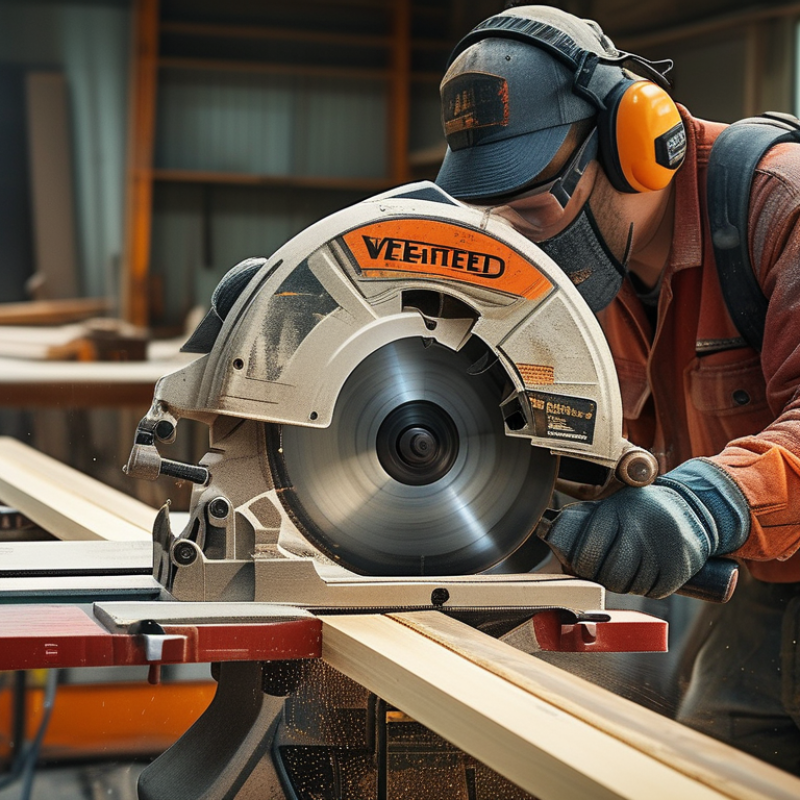
Understanding the Basics of Circular Wood Saws
Understanding the basics of circular wood saws is crucial for effective use. These tools are designed for precision cutting of wood. A well-maintained circular saw can deliver high-quality results. Industry reports show that proper setup can increase cutting efficiency by up to 25%. Users should pay attention to blade sharpness and alignment to achieve optimal performance.
When using a circular saw, safety is paramount. Always wear appropriate personal protective equipment (PPE), like goggles and gloves. Check the saw's power cord for any damage before each use. Remember, a dull blade increases the risk of kickback and reduces cutting accuracy. Keeping your workspace organized also helps prevent accidents.
Another tip focuses on the type of wood being cut. Different woods require specific blade types. For dense hardwoods, a blade with more teeth is recommended. Conversely, softwoods can be cut more efficiently with a fewer-tooth blade. Regularly consult user manuals and industry guidelines for maintenance and operational insights to enhance performance.
Choosing the Right Blade for Your Circular Saw
Choosing the right blade for your circular saw is crucial for optimal performance. The type of material you’re cutting directly affects the blade you should use. For instance, a wood-cutting blade typically has fewer teeth, while blades for metal or tile feature more, providing smoother cuts. According to industry reports, the right blade can improve cutting efficiency by up to 30%.
When selecting your blade, consider the thickness of the material. A thicker wood board requires a blade designed for deeper cuts. Additionally, the tooth grind plays a role; a flat-top grind is ideal for ripping, while a combined grind works well for crosscuts. Blade quality matters—low-cost blades may lead to more frequent replacements, costing time and money in the long run.
**Tip:** Always match the blade’s RPM rating with your saw's specifications. Using a blade exceeding the saw's RPM can result in dangerous kickbacks.
**Tip:** Keep your blades sharp. Dull blades not only produce poor cuts but also create excess heat, leading to premature wear. Inefficient cutting can lead to frustration and safety hazards. Choosing the right blade isn't just about performance; it’s about ensuring safety and efficiency in your projects.
Safety Precautions When Operating a Circular Wood Saw
When operating a circular wood saw, safety should always come first. According to the U.S. Bureau of Labor Statistics, nearly 33,000 injuries occur yearly due to improper saw usage. Wearing protective gear is essential. Safety glasses guard your eyes against flying debris. Ear protection is crucial as saws can reach high decibel levels. Appropriate footwear prevents slipping and provides support.
Using a circular saw involves risks. Always inspect the saw for defects before use. Check that the blade is sharp and correctly installed. Dull blades can cause kickback, leading to accidents. Ensure your workspace is clear of obstacles; clutter can lead to falls or distractions. Maintain a firm grip on the saw, and use both hands whenever possible.
Training is vital. Many experts suggest a hands-on workshop to understand proper techniques. Misunderstanding how to control the saw can result in injury. Also, be aware of your surroundings. Unstable surfaces or distracted individuals can create dangerous situations. Maintaining awareness can prevent many common accidents associated with circular saws.
Techniques for Accurate Cuts with a Circular Saw
Using a circular saw effectively requires understanding techniques for accurate cuts. Start by selecting the right blade for your material. Different woods require different teeth designs. For example, a fine-tooth blade works better for plywood, while a raker blade is ideal for softwoods. This choice can significantly affect your cutting precision.
Another essential tip is to measure twice before cutting. Making quick cuts without proper measurement can lead to mistakes. A straight edge can be helpful for guiding your saw. It ensures a cleaner line but remember—practice makes perfect. Sometimes these guides can slip or move, so checking your setup is vital.
Pay attention to your stance and grip. Stand firmly and hold the saw securely. This approach minimizes vibration and gives you better control. Yet, even with practice, some cuts might not come out perfectly. Reflecting on what went wrong can help improve your technique. Being mindful of your setup can prevent errors and make future projects smoother.
Cut Quality Comparison: Circular Saw Techniques
The chart above illustrates the quality of different cutting techniques used with circular saws. The techniques include Straight Cut, Bevel Cut, Ripped Cut, and Cross Cut, evaluated on a scale from 1 to 10, with 10 being the highest quality achievable.
Maintaining and Caring for Your Circular Wood Saw
Maintaining and caring for your circular wood saw is crucial for its longevity and performance. Regular checks on the blade are essential. A dull blade can worsen cuts and increase the risk of kickback. Sharpen the blade regularly or replace it if it shows signs of damage. Proper tensioning of the blade is also important. Ensure it is correctly aligned before each use for optimum cutting efficiency.
Cleaning your saw after each project is vital. Dust and resin can build up and cause the saw to overheat. Use a soft brush to remove debris and a damp cloth for the housing. Pay attention to the power cord and ensure it remains intact and undamaged. Sometimes, we overlook these small details, but they can make a big difference.
Lubricating moving parts can improve the saw's performance significantly. Check the manufacturer's guidelines for the appropriate lubricant. Over time, the saw may develop issues that are easy to miss. It’s good practice to stay vigilant. Regular inspections can prevent bigger problems down the line. A well-maintained saw will not only make your work easier but also enhance your safety while working.
Essential Tips for Using Circular Wood Saw Effectively - Maintaining and Caring for Your Circular Wood Saw
| Tip | Description | Frequency | Importance |
| Blade Maintenance | Regularly check and clean the blade to prevent accumulation of resin and debris. | Every use | High |
| Proper Storage | Store the saw in a dry place to avoid rust and damage. | As needed | Medium |
| Adjustment of Settings | Adjust depth and angle settings for specific cuts to ensure accuracy. | Before each use | High |
| Safety Checks | Inspect the power cord, blade guard, and other safety features before use. | Every use | Critical |
| Using the Right Blade | Select the appropriate blade for the material being cut to enhance performance. | As needed | High |