Top 5 Tips for Sourcing Tungsten Carbide Balls Effectively?
In the competitive landscape of the engineering and manufacturing sectors, sourcing high-quality Tungsten Carbide Balls is crucial. Experts like Dr. Emily Hartman, a material science specialist, emphasize, “Choosing the right supplier can make all the difference in performance.” This underscores the importance of thoughtful procurement strategies in maximizing the benefits of Tungsten Carbide Balls.
These balls are renowned for their hardness and durability, often used in applications ranging from milling to manufacturing. However, sourcing these materials effectively is not as straightforward as it seems. Many businesses overlook critical factors, such as supplier reliability and material specifications. This can result in unanticipated costs and project delays.
Understanding the nuances of procurement can set a company apart. Quality should never be compromised for cost. Making informed choices often leads to better long-term outcomes. As the industry evolves, staying updated on best practices for sourcing is essential. This journey requires reflection on past experiences and a commitment to continuous improvement.
Understanding Tungsten Carbide Balls: Properties and Applications
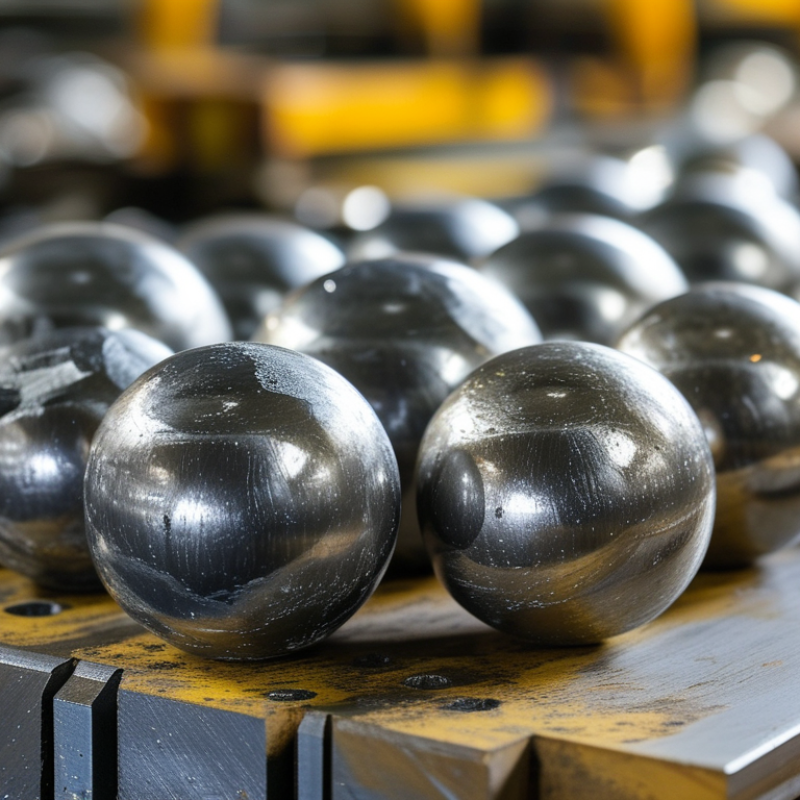
Tungsten carbide balls are remarkable materials, known for their hardness and durability. They are widely used in various applications, including bearings, valve seats, and milling, thanks to their exceptional wear resistance. The unique properties of tungsten carbide give it an advantage in high-stress environments. These balls can withstand extreme pressures and temperatures, making them ideal for industrial use.
One of the key aspects to consider when sourcing tungsten carbide balls is material composition. The ratio of tungsten to carbon significantly affects the hardness and performance. Buyers must assess the specific needs of their applications, as not all tungsten carbide is created equal. Engaging with reliable suppliers and understanding the composition can lead to better choices. Sometimes, a simple inquiry about manufacturing processes can reveal much about the quality.
Testing is also crucial. Many companies overlook the need for quality control measures, leading to subpar purchases. Regular inspections and certifications can provide insights into product reliability. It’s important to reflect on sourcing practices regularly. Learn from past experiences to avoid pitfalls. Each decision shapes the outcomes in performance and longevity.
Top 5 Tips for Sourcing Tungsten Carbide Balls Effectively
Identifying Reliable Suppliers for Tungsten Carbide Balls
When sourcing tungsten carbide balls, identifying reliable suppliers is crucial. The market for tungsten carbide components has grown significantly in recent years. Reports indicate a global market value of approximately $20 billion by 2023. This trend drives demand for high-quality tungsten carbide balls.
To find reputable suppliers, look for industry certifications. ISO 9001 and ISO 14001 are essential indicators of a manufacturer's commitment to quality and environmental practices. Suppliers with these certifications often provide more reliable products. Additionally, consider their experience. Companies with over ten years in the industry typically have better insights into material quality and sourcing.
Customer reviews and case studies offer valuable insights. A supplier's previous work reveals reliability. If they have worked with reputable companies and received positive feedback, that’s a good sign. However, be cautious with overly inflated claims. Verifying the authenticity of a supplier’s portfolio can prevent costly mistakes. Every sourcing decision should be backed by thorough research and consultation with industry experts.
Evaluating the Quality Standards for Tungsten Carbide Balls
When sourcing tungsten carbide balls, quality standards are crucial. These balls are often used in demanding applications. High-performance requires understanding their composition and manufacturing processes. Look for suppliers who provide detailed specifications. The material should contain a high percentage of tungsten carbide. This ensures durability and wear resistance.
It's vital to request certifications. A reliable supplier will offer proof of quality assessments. Testing should comply with international standards, such as ISO and ASTM. Check if the balls have undergone hardness tests. This is a key indicator of their performance. Visual inspection is also important. Inspect for imperfections, such as cracks or irregular shapes.
Understanding the manufacturing process can help in evaluating quality. If possible, visit the production site. This allows you to assess their equipment and techniques firsthand. Not all manufacturers maintain the same level of quality control. Some may overlook critical processes. This could ultimately affect the final product's performance. Stay informed and conduct thorough research to make well-informed decisions.
Negotiating Pricing and Terms with Tungsten Carbide Ball Suppliers
Negotiating pricing and terms with tungsten carbide ball suppliers is crucial. It can directly impact your project's costs and quality. Solid negotiation skills can lead to better deals and long-term partnerships.
When discussing pricing, research is key. Understand market rates and current demand. Use this information to your advantage. Consider all options for bulk purchasing. Suppliers may offer discounts based on volume. Don’t hesitate to ask about these opportunities.
Establish clear terms in your agreement. This includes payment methods, delivery times, and return policies. A straightforward approach reduces misunderstandings. However, be prepared for some back-and-forth. Not every negotiation will go smoothly. Some suppliers may resist your terms initially.
Pay attention to quality standards. Ensure all products meet your specifications. Questions about material grade or manufacturing processes should be asked. If a supplier hesitates to provide details, reflect on this. You want a reliable partner. Clear communication can prevent future issues. Always seek assurance of product quality before finalizing the deal.
Assessing Delivery Timelines and Logistics for Tungsten Carbide Balls
When sourcing tungsten carbide balls, assessing delivery timelines and logistics is crucial. First, consider the supplier's reliability. A supplier with a consistent track record can help ensure timely delivery. They should provide clear estimates and transparent communication throughout the shipping process.
Logistics play an essential role in sourcing. Evaluate shipping options, including air freight and sea freight. Air freight is faster but often more expensive. Sea freight can save costs but may require longer lead times. Understand the potential delays due to customs or weather. This knowledge can prevent unexpected production halts.
Consider local suppliers for shorter delivery timelines. They can often provide quicker turnaround times. However, ensure they meet quality standards. Relying solely on proximity might not guarantee excellence. Therefore, weigh the benefits of speed against the possible risks of quality issues. Being proactive in logistics planning can significantly impact your supply chain's efficiency.
Top 5 Tips for Sourcing Tungsten Carbide Balls Effectively
| Tip | Description | Delivery Timeline | Logistics Considerations |
| 1. Identify Reputable Suppliers | Research potential suppliers’ history, customer reviews, and certifications. | 2-4 weeks depending on location. | Check for reliable shipping options and communication channels. |
| 2. Request Samples | Obtain samples to assess quality before placing a large order. | 1-2 weeks for sample processing. | Ensure the supplier can send samples reliably. |
| 3. Evaluate Product Quality | Check the specifications and material integrity of the carbide balls. | N/A - Quality assessment is ongoing. | Consider potential delays if issues arise. |
| 4. Negotiate Terms | Discuss prices, payments, and return policies upfront. | Depends on negotiation speed, typically 1-3 weeks. | Ensure shipping costs are included in negotiations. |
| 5. Plan for Shipping and Handling | Choose optimal shipping methods to minimize costs and risks. | Varies, typically 1-6 weeks based on selected method. | Consider customs clearance timeframes for international shipments. |