How to Choose the Right Spare Tire for Your Vehicle?
Choosing the right Spare Tire is not as simple as matching wheel diameter. It must fit your vehicle, support its weight, and work safely with its braking and traction systems. A compact “donut” spare may fit inside the trunk, but it usually limits speed and driving distance. A full-size spare offers better handling, though it requires more storage space and regular maintenance.
John Nielsen, former managing director of automotive engineering and repair at AAA, has advised, “A spare tire is designed to get you to a repair facility, not to replace a regular tire.” That warning matters on a rainy roadside. A temporary spare can feel unstable during lane changes, especially when the other tires are worn. Your owner’s manual provides the safest starting point. Check the approved tire size, load rating, speed restriction, and inflation pressure. Do not rely only on appearance.
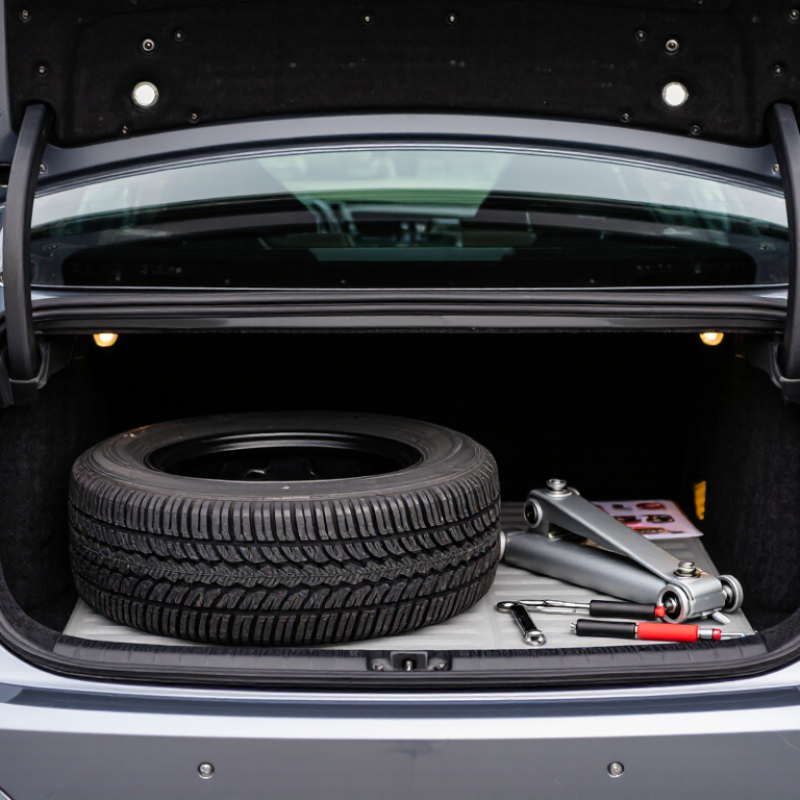
Examine the spare before buying or driving with it. Look for sidewall cracks, uneven wear, corrosion, and an expired tire age. Confirm that the jack, wrench, adapter, and locking-key tool are present. Some modern vehicles use tire-repair kits instead of spares, while many electric vehicles have limited storage and special weight considerations. I once assumed a nearly new-looking spare was ready for use, but its pressure was dangerously low. That mistake deserves reflection.
The best choice balances fit, durability, storage, and real driving conditions. A qualified tire technician can verify compatibility using your vehicle identification number and manufacturer specifications. Small details matter. The right Spare Tire may protect your journey when the road suddenly disagrees.
Identify Your Vehicle’s Tire Specifications and Spare-Tire Requirements
Before choosing a spare, find the tire information on the driver’s door placard and in the owner’s manual. Record the tire size, load rating, and recommended pressure. The sidewall markings on your current tires can help, but they may not match the vehicle’s original specification. Check carefully.
Then identify the spare-tire type your vehicle is designed to carry. A compact temporary spare may have a different size and pressure requirement from a full-size spare. Some vehicles use run-flat tires or carry a tire repair kit instead. Look beneath the cargo floor, if accessible, and check the manual for storage and fitment details. A spare that fits the wheel well may still be unsuitable for the vehicle.
Pay attention to limits. Temporary spares often require a specific inflation pressure and restricted speed or distance; follow the label and manual rather than guessing. If replacing a missing spare, compare its bolt pattern, wheel offset, and brake clearance with the vehicle’s requirements. These details are easy to overlook. I have seen tire numbers copied correctly while the load rating was missed. Verify the specification with a qualified tire professional when the placard is unclear, especially if the vehicle has modified wheels or tires. Don’t rely on appearance alone.
Choose Between Full-Size and Temporary Spare Tires
A full-size spare matches the diameter of your road tires and usually preserves normal handling. It can be mounted on the same axle and driven farther, provided its tread and condition are suitable. It also takes up more cargo space and adds weight. Check the wheel’s fitment, not just its appearance: bolt pattern, offset, and brake clearance must match your vehicle. A used spare may look sound while hiding age-related damage.
Temporary spares are lighter and compact, but they are designed for short, cautious trips. Their sidewalls commonly state a maximum speed and distance; follow the limits printed on the tire and in your owner’s manual. AAA’s 2017 analysis of 2017-model-year vehicles reported that 28% were sold without a spare tire. That finding makes it worth checking what your vehicle actually carries. Small detail. Confirm the spare’s pressure monthly, since compact tires can lose air while stored. NHTSA also recommends checking tire pressure when tires are cold and using the vehicle placard or manual for the correct specification. If you regularly drive remote routes, a full-size spare may be more practical, but it still needs safe storage and periodic inspection. Temporary spares can be adequate for city use; the trade-off is less flexibility. I would not assume the compact tire is ready just because it has never been used.
Match the Spare Tire’s Size, Load Rating, and Speed Rating
How to Choose the Right Spare Tire for Your Vehicle?
Match the Spare Tire’s Size, Load Rating, and Speed Rating
A spare that looks close may still fit poorly. Check your owner’s manual and tire information placard for the approved size. Compare the spare’s diameter and width with the specified dimensions. The wheel must also fit the vehicle’s hub and clear its brakes. A mismatch can affect handling, especially during a sudden lane change. Small differences matter.
Check the load index, too. It indicates how much weight a tire can carry under specified conditions. Choose a spare that meets the vehicle maker’s requirements; do not assume a higher number automatically makes every setup suitable. Then check the speed rating on the tire’s sidewall. Temporary spares often have lower speed limits than regular tires. Follow the limit printed on the spare and in the manual, and drive only as far as needed for repair or replacement. I’d recheck these details before a trip; it’s easy to overlook a small label.
Tips: Keep the spare’s pressure at the level specified in the manual, and inspect it periodically. A tire tucked under the trunk can lose air unnoticed. If the markings are worn or confusing, ask a qualified tire professional to verify the size, load, and speed requirements before fitting it.
How to Choose the Right Spare Tire for Your Vehicle
Speed ratings indicate a tire’s maximum rated speed under specified conditions. The chart shows common speed symbols; it does not mean you should drive at these speeds on a spare.
When choosing a spare, follow your vehicle manufacturer’s specifications. Check that its size is compatible and that its load index and speed rating meet the vehicle’s requirements. Temporary spares may have specific speed and distance limits—always follow the instructions on the tire and in the owner’s manual.
Verify Storage, Maintenance, and Safe-Use Requirements
How to Choose the Right Spare Tire for Your Vehicle?
Verify Storage, Maintenance, and Safe-Use Requirements
A spare tire is useful only if it fits, stays accessible, and is ready when needed. Check your owner’s manual for the correct spare type, wheel size, and lifting points. Then inspect the storage area: a trunk well, underbody carrier, or cabin compartment may require a specific tool or removal sequence. A damp, cramped storage space can also hide corrosion or damage. Small details matter.
The National Highway Traffic Safety Administration’s 2022 Traffic Safety Facts report recorded 646 fatalities in tire-related crashes. That figure covers tire-related crashes broadly, not spare-tire failures, but it underscores why tire condition and correct use matter. NHTSA advises checking tire pressure monthly and before long trips. Include the spare, and use the pressure listed on its label or in the manual—not the pressure shown on the vehicle’s door placard unless specified. Temporary spares often have speed and distance limits. Follow the sidewall and vehicle manual, and replace the spare with a full-size tire as soon as practical.
Tips: Keep the jack, wrench, and locking-key tool together. Check that the spare is firmly secured, and inspect its pressure when you check the road tires. A quick look is not enough; pressure can drop while a tire sits unused. Honestly, many drivers forget this until the shoulder is dark and wet. Practice locating the tools at home, on level ground, before an emergency.