How to Choose the Right Fuel Transfer Pump?

Choosing the right Fuel Transfer Pump is a practical decision, not a simple catalog search. The wrong model can cause slow refueling, premature wear, or unsafe pressure levels. A pump may look powerful on paper. Yet it can struggle when the hose is long, the filter is restricted, or the fuel is cold.

The U.S. Energy Information Administration’s Annual Energy Outlook 2025 continues to project substantial liquid-fuel use across transportation and industrial operations. That demand makes dependable fuel-handling equipment important for fleets, farms, workshops, and backup-power sites. EIA data also shows that transportation remains the largest petroleum-consuming sector in the United States. This context matters. A pump used for daily fleet refueling faces different demands from one used beside a generator tank.

Selection should begin with the fuel type, required flow rate, voltage, duty cycle, tank position, and delivery distance. Diesel, gasoline, and certain blended fuels may require different materials and certifications. UL 79 addresses power-operated pumps for petroleum products, while NFPA 30 provides widely recognized guidance for flammable and combustible liquids. OSHA requirements should also be reviewed for workplace installations. These references do not replace a qualified inspection. They provide a safer starting point.

A common mistake is choosing maximum flow instead of suitable flow. More speed is not always better. Excessive flow can increase splashing, static concerns, and nozzle control problems. Consider real conditions: a 12-volt pump drawing from a low tank, through a clogged filter, may deliver far less than its advertised rating. Product sheets are useful, but field experience often reveals the missing detail. The best choice balances performance, safety, maintenance access, and verified compatibility. No single pump fits every operation.
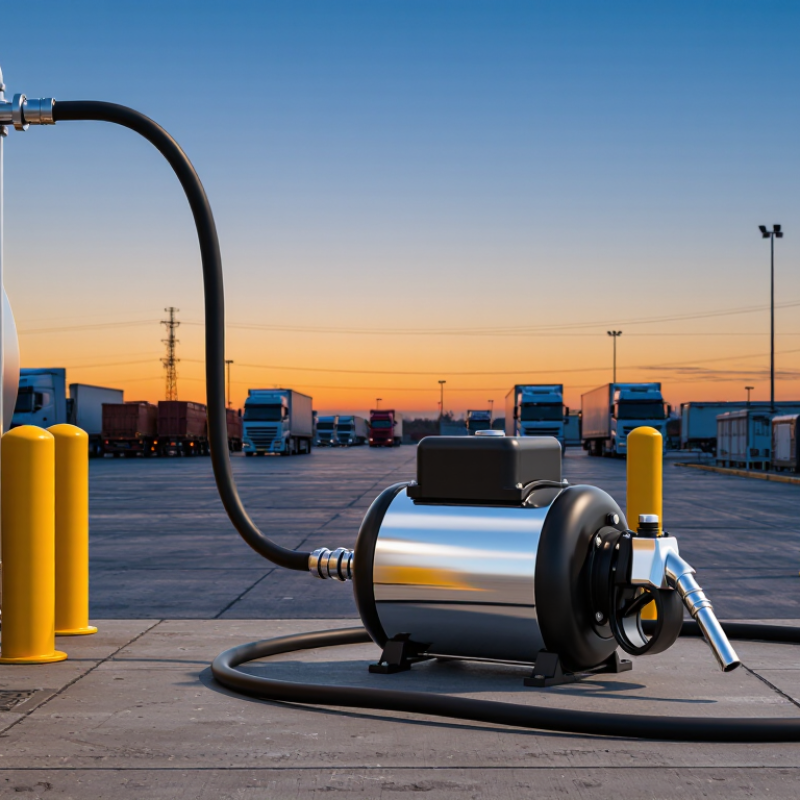
How to Choose the Right Fuel Transfer Pump?

Understanding Fuel Transfer Pump Types and Their Operating Principles

How to Choose the Right Fuel Transfer Pump?

Understanding Fuel Transfer Pump Types and Their Operating Principles

Choosing a fuel transfer pump starts with understanding how it moves liquid. Positive displacement pumps use gears, vanes, or diaphragms to trap and push fuel forward. They usually provide steady flow and work well against higher resistance. Gear pumps are compact and durable, while vane pumps often operate more quietly. Diaphragm pumps can handle intermittent service and tolerate small particles better.

Centrifugal pumps work differently. An impeller spins rapidly, creating velocity that becomes pressure inside the housing. They suit clean fuel, high flow rates, and low to moderate pressure demands. However, they may struggle when the system needs strong suction or frequent self-priming. The correct choice depends on viscosity, flow rate, lifting height, hose length, and operating temperature.

I have seen a pump selected by flow rate alone, then perform poorly through a narrow hose. Fit changes everything. Check the pump’s duty cycle before installation. Continuous operation can overheat equipment designed for short transfers. Electrical models also require suitable voltage, secure connections, and proper grounding. Air-operated designs may fit areas where electrical power is limited, but they can consume more compressed air than expected.

Fuel compatibility matters too. Seals and internal materials must resist the specific liquid. A pump suitable for one fuel may swell, crack, or leak with another. I once underestimated temperature changes during outdoor use. That mistake reminded me to review manufacturer data, actual site conditions, and maintenance access before choosing a final configuration.

Matching Pump Capacity, Fuel Type, and Transfer Requirements

Choosing a fuel transfer pump starts with the fuel, not the advertised flow rate. Gasoline, diesel, kerosene, and biodiesel blends have different volatility, viscosity, and material-compatibility demands. NFPA 30 classifies many fuels by flash point, which affects pump placement, electrical protection, and grounding practices. Check the fuel’s safety data sheet before selecting seals, hoses, and electrical components.

Capacity must match the real transfer task. If a 200-liter tank should fill in eight minutes, the theoretical requirement is 25 liters per minute. Add reasonable allowance for hose length, elevation, filters, and cold-weather viscosity. Do not confuse maximum flow with working flow. A pump rated at 40 liters per minute may deliver much less through a narrow hose and restrictive filter. Field measurements often reveal this gap.

Duty cycle matters too. A small intermittent pump can fail when used for daily fleet refueling. The U.S. Energy Information Administration reported average U.S. distillate fuel consumption of about 3.9 million barrels per day in 2023, showing the scale of modern diesel demand. That figure does not determine your pump size, but it reinforces the need for dependable equipment. Select a pump with a compatible duty rating, verified shutoff controls, and suitable grounding. I would also recheck the calculation after installation; assumptions are often wrong.

How to Choose the Right Fuel Transfer Pump?

Match pump capacity to the fuel type, equipment size, and required transfer speed. The chart shows typical target flow rates for common transfer applications.

Selection guidance: Passenger vehicles generally need moderate flow, while fleet refueling and bulk tank transfer require higher-capacity pumps. Diesel and kerosene systems commonly use lower flow targets than gasoline systems because viscosity, filtration, and safety requirements can affect transfer speed. Always confirm fuel compatibility, hose size, lift height, duty cycle, and local safety regulations before selecting a pump.

Evaluating Power Sources, Compatibility, and Installation Conditions

Choosing a fuel transfer pump starts with the available power source. Electric models need voltage, current, duty cycle, and suitable protection. The International Energy Agency reported global oil demand at about 102 million barrels per day in 2023. That scale underlines fuel-handling demand, but it does not justify choosing the largest pump.

Check the site first. A 12-volt system may suit mobile equipment, while a 230-volt supply can support longer duty cycles. Battery capacity matters during remote transfers. Measure cable length and voltage drop before ordering. Small wiring can reduce motor performance. It can also create heat. This detail is often missed.

Compatibility requires more than matching diesel or gasoline. Confirm the pump’s fluid rating, seal materials, viscosity range, flow rate, and maximum pressure. The National Fire Protection Association’s NFPA 30 standard emphasizes controlling ignition sources and managing flammable-liquid installations. Follow local electrical and fire requirements. Keep the pump away from unprotected heat and provide secure hose connections.

Installation conditions deserve a physical inspection. Measure tank height, inlet distance, ventilation, drainage, and available clearance. A pump rated for 60 liters per minute may deliver less through a narrow hose or dirty filter. Real conditions are rarely ideal. A neat specification sheet can still mislead. Record actual transfer time after installation, then reassess the setup during seasonal temperature changes.

Comparing Safety Features, Durability, and Maintenance Needs

How to Choose the Right Fuel Transfer Pump?

Choosing the right fuel transfer pump starts with safety, not flow rate. Look for automatic shutoff, thermal overload protection, and a clearly reachable emergency switch. Grounding points and leak-resistant seals reduce risks around static and spilled fuel. The pump must suit the fuel type and operating environment. A dusty workshop needs better enclosure protection than a clean service bay. Certification for the intended application adds useful confidence, but it does not replace inspection.

Tips: Test the shutoff before regular use. Check hoses for soft spots, cracks, or swelling. Keep the nozzle secure when not in use. Record unusual noise, heat, or slower delivery. Small changes matter. Never ignore a fuel smell.

Durability depends on more than a metal housing. Choose compatible materials, a motor rated for the expected duty cycle, and replaceable filters. A pump that runs continuously may need stronger cooling and seals. I once trusted a heavy pump because it felt solid. Its neglected filter restricted flow within weeks. That experience changed my checks. I now inspect connections, clean the strainer, and compare delivery time during scheduled maintenance. If accessing the filter requires awkward tools, servicing may be delayed. Keep service records and follow the manual’s intervals.

Selecting the Best Pump for Your Equipment and Application

How to Choose the Right Fuel Transfer Pump?

Selecting the Best Pump for Your Equipment and Application

Choosing a fuel transfer pump starts with the equipment, not the advertised flow rate. Check the fuel type, tank size, operating temperature, and required transfer distance. A pump moving fuel through a long hose needs enough pressure, not just impressive litres per minute. Measure the hose length and diameter carefully. Small fittings can restrict flow.

In field inspections, I have seen pumps selected too quickly. The equipment needed steady delivery, but the pump was sized for short, occasional transfers. That mismatch caused slow filling and unnecessary strain. Consider duty cycle, power availability, inlet filtration, and automatic shutoff features. Confirm that all wetted materials suit the intended fuel. Compatibility matters more than appearance. Sometimes, a slightly slower pump performs better over time.

Tips: Keep the suction line short and sealed. Use a clean filter. Check electrical protection before installation. Record flow performance during the first few uses. This simple log can reveal restrictions early. Do not ignore unusual noise or pulsing. They may indicate air entering the line, a blocked filter, or an undersized connection. I would also review the choice after several weeks, because real working conditions often expose assumptions made during selection.

How to Choose the Right Fuel Transfer Pump? - Selecting the Best Pump for Your Equipment and Application
Selection Dimension Typical Requirement or Range Why It Matters Practical Selection Guidance
Fuel Type Diesel, gasoline, kerosene, heating oil, or approved renewable diesel Fuel chemistry affects seal materials, electrical safety, corrosion resistance, and pump compatibility. Choose a pump specifically rated for the intended fuel. Do not use a gasoline-rated pump for incompatible liquids or unapproved chemical blends.
Required Flow Rate Approximately 20–80 L/min for common vehicle and equipment refueling A higher flow rate reduces refueling time, but it may require larger hoses, filters, wiring, and storage-tank outlets. Calculate the required rate from tank volume and acceptable fill time. Select a pump whose rated flow remains adequate at the actual discharge pressure and hose length.
Discharge Pressure Typically 0.2–0.5 MPa (2–5 bar) for transfer applications Pressure must overcome elevation, hose friction, filter resistance, meter resistance, and the receiving tank inlet restriction. Use the lowest pressure that reliably meets the system requirement. Excess pressure can damage components or activate bypass protection unnecessarily.
Power Supply 12 V DC, 24 V DC, 110–120 V AC, or 220–240 V AC The available power source determines installation complexity, current demand, cable size, and operating suitability. Match the pump voltage to the equipment or facility supply. For mobile equipment, 12 V and 24 V DC systems are common; verify polarity, fuse rating, and starting current.
Duty Cycle Intermittent, scheduled, or continuous operation Motor temperature, cooling method, and component life depend on how long and how often the pump operates. For occasional fueling, an intermittent-duty pump may be sufficient. For fleet, bulk-storage, or automated systems, select a continuous-duty model with suitable thermal protection.
Fuel Viscosity Low-viscosity fuels generally require less starting torque; colder fuel increases viscosity Viscosity influences pump efficiency, motor load, suction performance, and cold-weather starting. Check the pump’s approved viscosity range and temperature limits. Consider a larger inlet, shorter suction line, or heating provisions for cold or higher-viscosity fuel.
Suction Lift Preferably low; many systems work best with a flooded inlet or short suction line Long or high suction lifts increase the risk of vapor formation, air leakage, reduced flow, and difficult priming. Install the pump as close to the tank as practical and keep the suction hose short, large enough, and free from sharp bends. Confirm the maximum suction-lift rating.
Inlet and Outlet Size Common connection sizes include 19 mm, 25 mm, and 32 mm nominal hose connections Undersized connections increase friction loss and can restrict the pump’s actual flow rate. Use hose and fittings that match the pump ports and required flow. Avoid unnecessary reducers, restrictive couplings, and excessive hose length.
Filtration Common diesel filtration levels: approximately 10–30 micrometres, depending on equipment needs Filtration protects injection systems and removes particles or water that can cause wear, blockage, or corrosion. Select a filter with the required micron rating, adequate flow capacity, and a replaceable element. Use water-separating filtration where water contamination is possible.
Metering Accuracy Basic totalizers for monitoring; calibrated meters for controlled dispensing Accurate measurement is important for fleet records, inventory control, maintenance planning, and cost allocation. Choose a meter with a stated accuracy specification and suitable flow range. Arrange periodic verification if measured volume is used for commercial or regulatory purposes.
Portability Portable transfer kits or fixed pump assemblies Portable units support multiple tanks or machines, while fixed units can provide faster, cleaner, and more consistent operation. For field service, prioritize low weight, carrying handles, secure connections, and DC compatibility. For permanent installations, prioritize mounting, protection, and easy maintenance access.
Environmental Protection Indoor, outdoor, dusty, wet, or hazardous locations Moisture, dust, temperature, and flammable vapor can affect electrical safety and service life. Check the enclosure protection rating, ambient temperature range, grounding requirements, and hazardous-area certification where applicable. Standard equipment must not be installed in a classified hazardous location unless approved for it.
Safety Features Thermal overload protection, bypass or relief protection, emergency shutoff, and automatic nozzle control Safety features help limit overheating, overpressure, spills, and unattended operation. Select protections appropriate to the installation. Use a properly rated fuse or circuit breaker, bonding and grounding where required, and a compatible automatic shutoff nozzle.
Temperature Range Verify the pump, hose, seals, and filter for the expected ambient and fuel temperatures Low temperatures can increase viscosity, while high temperatures can accelerate seal wear and motor heating. Check the complete system temperature rating rather than the pump rating alone. Consider cold-weather fuel properties and storage conditions.
Maintenance Requirements Routine inspection, filter replacement, leak checks, and electrical-connection checks Regular maintenance preserves flow performance and reduces contamination, leakage, and unplanned downtime. Choose a design with accessible filters, replaceable wear parts, clear service instructions, and readily available compatible hoses and seals.

Request a Quote

For more information on our instruments, consumables, or services, or to request a quote, complete the contact form below, and one of our associates will reach out to you!

Request a Service Quote

To request service on your machine(s), complete the contact form below, and one of our associates will reach out to you!

Browse by:

  • Test Property
  • Manufacturer