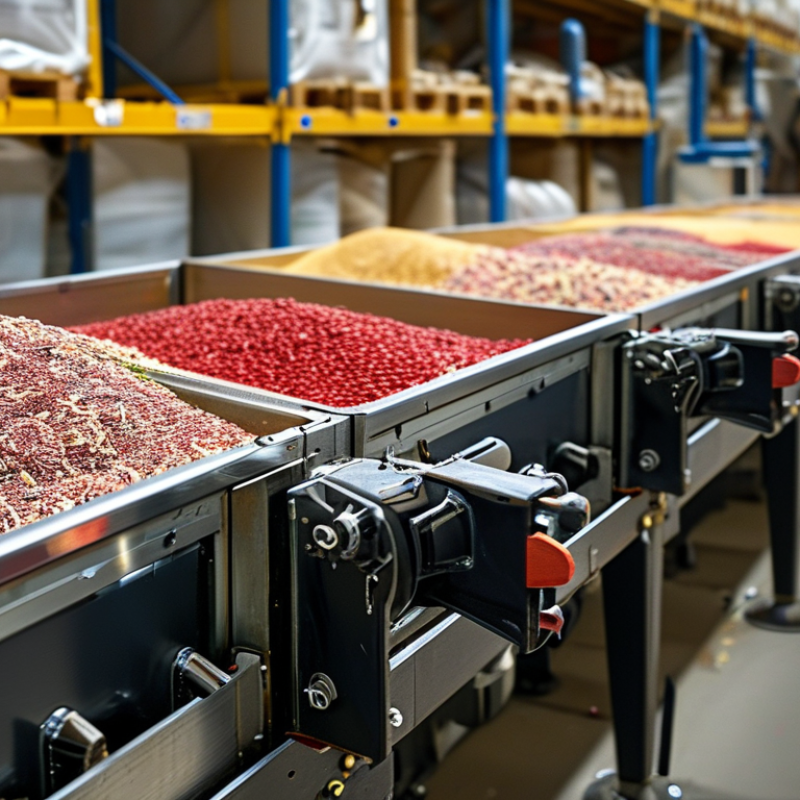
2026 How to Choose the Best Bulk Sorter for Your Needs?
Choosing the right bulk sorter for your needs is crucial in today's fast-paced environment. A reliable bulk sorter can streamline operations, enhance efficiency, and improve product quality. With so many options available, pinpointing the best choice can seem daunting.
Bulk sorters come in various designs and capacities. Each has unique features tailored to specific products and applications. Understanding your operational requirements is vital. For instance, consider the type of materials you need to sort. Is it fragile? Heavy? This knowledge influences your selection.
In some cases, the initial investment might seem high. However, a well-chosen bulk sorter can yield significant savings over time. Keep in mind, choosing hastily often leads to regrettable decisions. It is wise to assess both current and future needs to avoid potential pitfalls. A thoughtful approach ensures that your bulk sorter meets your long-term goals.
Understanding Bulk Sorters: Types and Functionality
Bulk sorters are essential in various industries, including logistics, food processing, and manufacturing. Understanding their types and functionality can significantly enhance operational efficiency. Different bulk sorters cater to specific needs. For example, gravity-based sorters utilize the force of gravity to separate goods. They are effective for large items but may miss smaller components. In contrast, vibratory sorters use oscillation to guide items through a sorting process. They can handle mixed materials but may require regular maintenance.
Recent industry reports indicate that the global bulk sorting market is expected to grow by 10% annually until 2026. This growth signals a rising demand for efficient sorting solutions. Choosing the right bulk sorter is crucial. Factors such as throughput, material type, and sorting accuracy must be considered. A poorly chosen sorter can result in downtime and increased costs.
Incorporating advanced technologies, like artificial intelligence and sensors, can improve the sorting process. The integration of AI allows for real-time adjustments and enhanced precision. However, companies often struggle with implementation. Training staff on new systems is a common challenge. It emphasizes the importance of having skilled personnel. Investing in the right bulk sorter should be balanced with training and maintenance considerations.
Key Features to Consider When Selecting a Bulk Sorter
When selecting a bulk sorter, key features significantly impact efficiency and productivity. Understanding your operational needs is crucial. First, consider throughput capacity. Research shows that sorters with higher capacities can improve processing speed by up to 30%.
This efficiency can reduce labor costs while increasing output.
Accuracy is another vital aspect. High-quality sorters achieve over 95% accuracy in sorting tasks. A precise system leads to fewer errors, minimizing the need for manual intervention. Additionally, flexibly sorting options are important. Many facilities require sorters that can handle various materials, adapting to seasonal or fluctuating demands.
A versatile sorter can enhance overall operational flexibility, which is essential in dynamic industry environments.
Technological advancements are also worth noting. Many modern sorters now include integrated software solutions. These innovations help monitor performance metrics in real-time. Analytics can drive improvements and enhance decision-making processes.
While all features matter, it is essential to balance them based on your specific operational challenges. No single feature guarantees success; a holistic view is necessary. Factors such as installation costs and maintenance requirements should also be part of the evaluation process.
Evaluating Your Sorting Needs: Volume, Speed, and Accuracy
When evaluating your sorting needs, consider three critical factors: volume, speed, and accuracy. The volume of items you handle daily can greatly influence your choice. For businesses managing high volumes, a bulk sorter with a larger capacity is essential. Smaller operations, however, may not require such extensive features. Understanding your operational scale is the first step in making an informed decision.
Speed is another essential factor. If your business relies on quick turnaround times, a sorter that operates at a high velocity is necessary. Yet, be wary of sacrificing accuracy for speed. A high-speed bulk sorter can lead to errors if not properly calibrated. Finding the right balance is vital for maintaining quality control.
Accuracy is paramount in ensuring customer satisfaction. Inaccurate sorting can lead to misunderstandings and lost business. Assess your needs for precision versus speed. Sometimes, a slightly slower sorter can achieve better accuracy. This reflection can enhance your operational effectiveness. Consider investing in technology that allows for adjustments based on your sorting objectives.
Maintenance and Durability: Ensuring Long-term Performance
When selecting a bulk sorter, maintenance and durability are critical factors. A durable machine ensures consistent performance over time. Look for materials that resist wear and tear. Regular maintenance helps prevent costly breakdowns. Complete maintenance manuals are often overlooked, yet they provide valuable guidance.
Tips for maintaining your bulk sorter:
- Schedule routine inspections to catch issues early.
- Clean components frequently to avoid dust buildup.
- Keep an eye on wear parts. Replace them before they fail.
Ignoring maintenance can lead to diminished performance. Durability is not just about the machine but also how you care for it. Skilled operators can make a significant difference. They should be trained not only in operation but also in basic maintenance routines. This knowledge promotes efficiency and longevity.
Cost-Effectiveness: Budgeting for Your Bulk Sorting Solution
When considering a bulk sorter, cost-effectiveness remains a critical factor. The right sorter can greatly optimize your processing operations. According to a recent industry report, efficient bulk sorters can increase throughput by up to 30%. This translates to significant savings in labor costs and time.
Budget considerations go beyond initial costs. It's essential to factor in maintenance and operational expenses. Research indicates that businesses often overlook ongoing costs associated with their sorting solutions. For instance, a machine that requires frequent repairs could offset its lower purchase price. Investing in reliable, durable equipment may reduce long-term expenditure.
Moreover, take into account the returns on investment. Data shows that a well-chosen bulk sorting system can lead to a 15% increase in operational efficiency. This improvement often justifies the initial higher costs. Your budget should accommodate not just the purchase price but also potential upgrades and training for staff. Make sure you have a clear, detailed financial plan to navigate these expenses.