How to Choose the Best Steel Stair Treads for Your Needs?
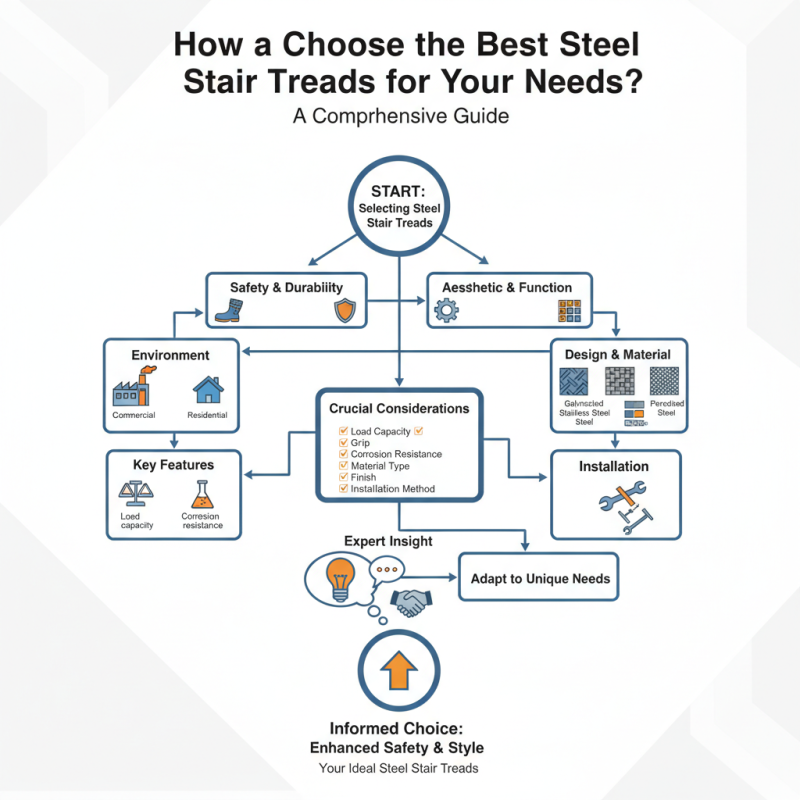
When selecting the right Steel Stair Treads, it's essential to consider various factors. These treads enhance safety by providing grip and durability. They come in different designs and materials, each suited for specific environments. Understanding these aspects is crucial for making an informed choice.
Steel Stair Treads must match both your aesthetic and functional needs. Think about where they'll be used. A commercial setting may require different specifications than a residential one. Even the installation process can vary based on your space. Sometimes, you may overlook important details like load capacity and corrosion resistance. Reflecting on these considerations can guide you toward the best decision.
Expert insight is valuable in this process. Recommendations from professionals can help you navigate the options available. However, not all advice is foolproof; care needs to be taken to adapt it to your unique requirements. Taking the time to explore different styles and finishes can significantly impact your satisfaction. Remember, the right Steel Stair Treads contribute not only to safety but also to the overall aesthetic of your stairs.
Factors to Consider When Selecting Steel Stair Treads
When selecting steel stair treads, safety is paramount. According to industry reports, slip-resistant treads can reduce accidents by up to 50%. This data highlights the importance of choosing treads with the right surface texture. For commercial spaces, consider treads that meet OSHA regulations to ensure compliance and safety in high-traffic areas.
Durability is another critical factor. Steel treads should withstand heavy foot traffic and harsh weather conditions. Studies show that galvanized steel treads can last over 20 years without significant wear. Pay attention to the load rating, especially for industrial use. Choosing the wrong type might lead to costly replacements and safety hazards.
Finally, aesthetics cannot be ignored. Steel treads come in various finishes. However, the appearance should align with the overall design of the space. Check installation requirements as well. Improper installation can undermine safety features, even in high-quality products. Balancing these factors ensures that you meet both functional and design needs effectively.
How to Choose the Best Steel Stair Treads for Your Needs? - Factors to Consider When Selecting Steel Stair Treads
| Factor | Description | Recommendation |
| Material Quality | Choose high-grade steel for durability and strength. | Look for treads made from ASTM certified steel. |
| Surface Texture | Consider a non-slip surface to enhance safety. | Textured or ribbed finishes are preferable. |
| Size and Dimensions | Ensure the dimensions fit the staircase specifications. | Measure the width and depth of the stair treads accurately. |
| Load Capacity | Select treads that can bear the expected load. | Check the load ratings before making a purchase. |
| Environmental Resistance | Consider exposure to elements if outdoors. | Choose rust-resistant coatings for outdoor use. |
| Aesthetic Appeal | Select a design that complements your space. | Consider color and finish options available. |
Types of Steel Stair Treads Available on the Market
When selecting steel stair treads, it’s crucial to understand the different types available. Slip-resistant treads are popular for their ability to enhance safety in high-traffic areas. These treads often feature textured surfaces to prevent slipping, making them ideal for outdoor stairs or facilities exposed to moisture.
Another option is the perforated treads, which provide excellent drainage. They allow water to pass through, reducing the risk of slippery surfaces. Perforated designs can also improve traction. However, they may require more maintenance due to debris accumulation. It’s essential to consider your environment when choosing these.
Finally, solid steel treads offer durability and strength. They are suitable for heavy loads and high foot traffic. Yet, they can be heavier and harder to install compared to other options. Reflecting on these choices can help you determine the best fit for your needs. Consider your specific situation, as each type has its pros and cons.
Assessing Load Capacity and Durability for Your Stair Treads
When selecting steel stair treads, load capacity and durability are crucial factors. According to industry studies, over 70% of workplace accidents occur on stairs. Therefore, it’s essential to choose treads that can withstand substantial weight. Steel treads often support multi-directional loads, differing by application. For instance, commercial environments typically require treads with a load capacity of at least 1,000 pounds to ensure safety under various conditions.
Durability is equally vital. Steel treads can resist rust and corrosion, especially when coated adequately. Research indicates that uncoated steel can lose up to 25% of its strength after prolonged exposure to moisture. Choosing the right finish, such as anti-slip coatings, enhances safety and longevity. Additionally, it’s essential to consider environmental conditions. Areas with extreme temperatures may cause vibrations and fatigue in materials. So, selecting treads designed for such settings will prevent future issues.
While many manufacturers provide specifications, discrepancies can occur. Always double-check load ratings and ask for third-party test results. Some treads may seem adequate but might not meet the necessary standards under real-world conditions. Engaging with experts can provide insights into best practices. Balancing safety, durability, and cost requires careful analysis, but it's essential for achieving long-term success.
Comparative Analysis of Steel Stair Treads Load Capacity
Surface Finish Options for Enhanced Safety and Aesthetics
When choosing steel stair treads, the surface finish significantly impacts both safety and aesthetics. You have several options to consider. A textured finish enhances grip and reduces the risk of slipping. This is particularly important in high-traffic areas or places prone to moisture.
Another option is a powder-coated finish. This provides a variety of color choices and adds a layer of protection against rust. However, it's essential to remember that colors can fade over time, impacting the overall look. A non-slip finish is crucial for safety. Be sure to check the slip resistance rating before making your choice.
Tip: When selecting a finish, think about the environment. Will the treads be indoors or outdoors? Different weather conditions can affect the durability of certain finishes. Also, consider the desired aesthetics. A finish that looks great may not always offer the best safety features. Balance both factors carefully for optimal results.
Maintenance Tips for Longevity of Steel Stair Treads
To ensure the longevity of steel stair treads, regular maintenance is essential. Keeping the surface clean helps prevent rust and corrosion. Periodically check for debris, oil, or moisture that may accumulate. A damp cloth often suffices for quick cleaning. For stubborn stains, a mild abrasive cleaner can be used.
Inspecting steel treads for wear and tear is equally important. Look for scratches, dents, or corrosion spots. If rust appears, address it promptly to avoid further damage. Sanding down affected areas and applying a protective coating can enhance durability. Regular inspections can highlight issues before they escalate.
Additionally, consider the environment where the treads are installed. Outdoor treads may require more frequent servicing due to weather exposure. In high-traffic areas, think about heavier cleaning regimens. Understand that neglecting even minor maintenance can lead to bigger issues down the line. A proactive approach will save both time and money.