How to Choose the Best Flatbed Laser Cutting Machine for Your Needs?
Choosing the right Flatbed Laser Cutting Machine can be challenging. Experts often emphasize key factors that influence your decision. John Smith, a renowned specialist in industrial laser technology, states, "Investing in a flatbed laser cutting machine is not just about the price, but also about the value it brings to your production."
When selecting a flatbed laser cutting machine, consider your specific needs. Different industries require different capabilities. Machines vary in power, size, and cutting precision. It is crucial to evaluate your material types and thicknesses. Customization options can also significantly affect performance. Uninformed choices can lead to inefficiencies.
Moreover, reliability and support are vital. A machine is only as good as the service behind it. Ensure the manufacturer provides robust customer support. Look for testimonials from other users. Assessing these factors can be overwhelming. Reflect on what truly matters for your operations. Choosing the right technology can elevate your production to new heights.
Understanding Your Cutting Needs and Materials
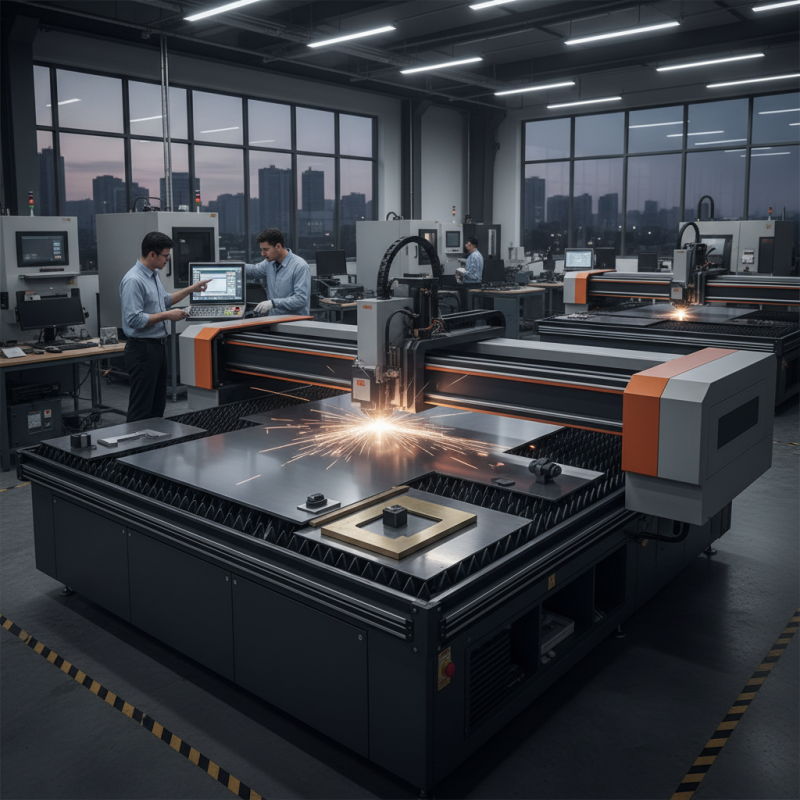
When choosing a flatbed laser cutting machine, understanding your cutting needs and materials is crucial. Different materials react differently to laser cutting. For instance, wood has varying densities, affecting how well it cuts. Metals require higher power settings, while plastics may melt if the settings are too high. Knowing these subtleties can help you select a machine that fits your needs.
Consider the thickness of the materials you plan to cut. Thicker materials need machines with higher wattage. However, a machine that is too powerful can lead to excessive burning or distortion. It's a balance that takes time to master. Also, explore various materials. Some projects might involve a mix of wood, acrylic, and metals, each requiring specific settings.
In your decision process, reflect on your experience level. Beginners may appreciate user-friendly interfaces, while seasoned professionals might look for advanced features. Assess your production volume, as well. A machine suited for hobbyists may not handle high-volume needs effectively. Ultimately, understanding your specific cutting needs will guide you toward the best flatbed laser cutting machine for your projects.
Evaluating Laser Technology: CO2 vs. Fiber Lasers
When evaluating laser technology for flatbed cutting machines, two main options arise: CO2 and fiber lasers. Each has unique characteristics making them suitable for different applications. CO2 lasers are known for their versatility and ability to cut various materials, including wood, acrylic, and textiles. They offer excellent precision and smooth finishes. However, they may struggle with metals, requiring more power for thicker sheets.
Fiber lasers, on the other hand, excel in processing metals and reflectivity. Their wavelength allows for efficient absorption by metals, providing faster cut speeds and higher productivity. This technology is generally more energy-efficient and requires less maintenance. Nonetheless, fiber lasers can be more limited when it comes to non-metal materials.
Tips:
- Consider your primary materials for cutting.
- If you work with metals mostly, fiber lasers may be better.
- Assess your production volume. High-volume production often benefits from the speed of fiber lasers.
- Don’t ignore the operational cost. CO2 machines may have lower initial costs but can incur higher running expenses.
Assessing Machine Size and Cutting Area Requirements
When selecting a flatbed laser cutting machine, machine size and cutting area are crucial. The cutting area determines the materials and projects you can handle. According to industry reports, a machine with a 4x8 feet cutting area is standard for many applications. However, larger projects may require machines with up to 6x12 feet sizes. This flexibility can greatly enhance your productivity.
Ensure your workshop can accommodate the machine size. A space too small can limit your operational efficiency. Plan for additional room for loading and unloading materials. Some users overlook this aspect, leading to inefficiencies and added costs. Measuring your workspace accurately is key to finding the right fit.
Tips: Consider what materials you'll cut. Fine materials like paper need less space, while thicker metals require larger areas. Evaluate your future projects, too. It can be wise to invest in a larger machine now, as future requirements may change. Always account for the machine's footprint and the necessary ventilation or exhaust systems for optimal safety and performance.
Considering Control Software and User Interface Features
When selecting a flatbed laser cutting machine, control software and user interface features are crucial. These elements can significantly impact your workflow and overall productivity. A user-friendly interface simplifies operating the machine, especially for beginners. Look for software that provides intuitive navigation and clear icons. This can help reduce the learning curve and make the setup process smoother.
Consider the compatibility of the control software with your design programs. Software that seamlessly integrates with popular design tools enhances efficiency. It also reduces the time spent on formatting and converting files. Robust features like real-time preview and error alerts can prevent costly mistakes. However, some software may be complex, leading to frustration. This is where the balance between functionality and simplicity becomes important.
Don’t overlook the importance of technical support. A reliable support team can assist with any software-related issues. This can be a lifesaver when dealing with unexpected challenges. Regular updates to the software are also beneficial. They can introduce new features and improvements. Yet, sometimes updates might cause functionality changes that confuse users. Always weigh the trade-offs involved when considering these aspects.
How to Choose the Best Flatbed Laser Cutting Machine for Your Needs?
| Feature | Importance | Options Available | User Experience |
| Control Software | High | Web-based, Desktop Applications | Intuitive interface with tutorials |
| User Interface | Medium | Touchscreen, Remote Control | User-friendly design |
| Compatibility | High | CAD, CAM Software Integration | Seamless data transfer |
| Customization Options | Medium | Custom features based on task | Easily adjusted settings |
| Technical Support | High | 24/7 Support, Online Resources | Responsive and helpful |
Budgeting for Initial Purchase and Operating Costs
When budgeting for a flatbed laser cutting machine, consider both the initial purchase and ongoing operating costs. The initial investment can range from $10,000 to $150,000, depending on the machine's specifications and capabilities. Research shows that higher-quality machines offer better longevity and efficiency, impacting overall costs in the long run.
Operating costs are another critical factor in your budget. These can include electricity, maintenance, and replacement parts. According to industry reports, electricity costs average around $0.12 per kWh. For laser cutting, energy consumption can hit 24 kW during peak usage. This means energy expenses can escalate quickly, especially with high-volume production. Additionally, routine maintenance may require an annual budget of $1,500 to $5,000, depending on usage.
It's worth noting that underestimating these costs can lead to financial strain. Many owners overlook hidden expenses, such as training staff or software upgrades. A thorough analysis of all potential costs is crucial. This ensures your chosen machine meets both economic and operational needs effectively.