Why Choose a Gasoline Chain Saw for Your Cutting Needs?
When considering cutting tools, the Gasoline Chain Saw stands out. Its versatility makes it a preferred choice among professionals. According to a recent report by the Outdoor Power Equipment Institute (OPEI), gasoline-powered saws account for over 60% of the market share. This statistic highlights their popularity due to performance and power.
Gasoline Chain Saws deliver efficiency, especially for larger tasks. They can cut through thick wood and are ideal for heavy-duty projects. A study by the Tree Care Industry Association indicates that these saws can reduce cutting time by up to 40%, making them indispensable for landscapers and arborists.
However, these powerful tools do require caution. Users must be trained to operate them safely. Mistakes can lead to serious accidents. Reliable sources emphasize the importance of wearing protective gear and understanding manufacturer guidelines. Overall, while offering significant advantages, the Gasoline Chain Saw demands respect and responsibility from its users.
Benefits of Using a Gasoline Chain Saw Over Electric Models
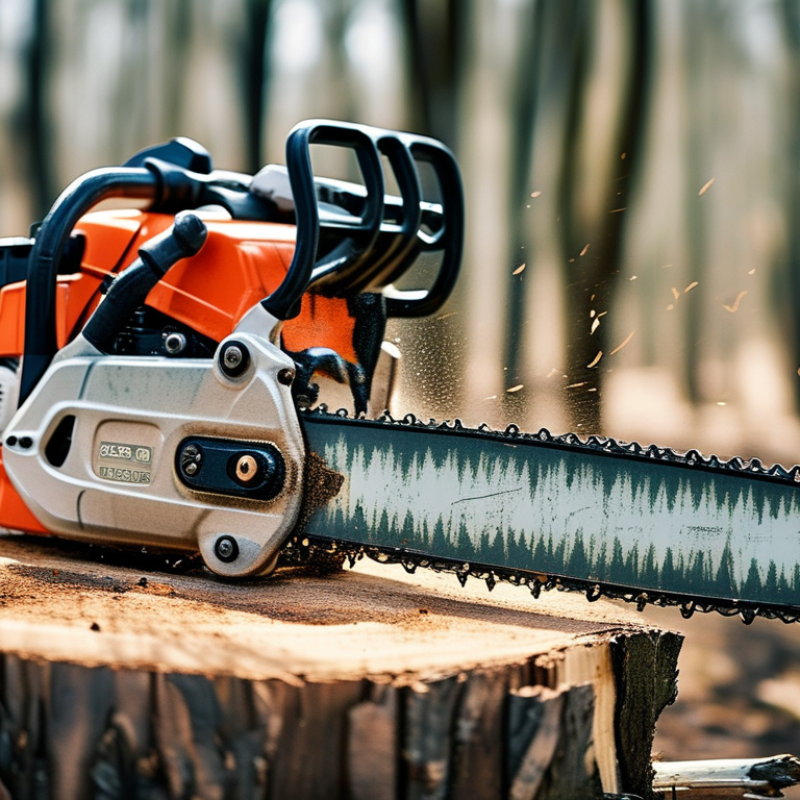
Gasoline chain saws are a compelling choice for those who need power and efficiency. Unlike electric models, they offer greater mobility and can handle tougher tasks. You can take them anywhere without worrying about cord length or battery life. This freedom makes them ideal for larger jobs, such as tree felling and heavy-duty cutting.
Moreover, gasoline models typically have better cutting speeds. They can slice through thick branches and logs with ease. The robust engine provides consistent power, making them suitable for extended use. However, this performance comes at a cost; they are heavier and can be more challenging to operate for extended periods. Users must consider their strength and endurance when choosing a saw.
Gasoline chain saws also require regular maintenance. They need oil checks, air filter cleaning, and gas refills. This aspect might not suit everyone, especially occasional users. But, for serious woodworkers and landscapers, the advantages often outweigh the drawbacks. Understanding your needs is crucial when selecting the right tool.
Benefits of Gasoline Chain Saws Over Electric Models
Key Features of Modern Gasoline Chain Saws for Efficiency
Modern gasoline chain saws are designed for efficiency and performance. They offer powerful engines that can cut through various materials with ease. The combination of speed and torque makes them suitable for both small tasks and heavy-duty cutting jobs. This versatility is essential for anyone looking to tackle different projects, from yard work to log cutting.
One key feature is the lightweight design. A lighter saw reduces fatigue, allowing longer usage without discomfort. This is especially important for users spending hours in the field. Efficient vibration reduction technology also enhances comfort. It minimizes hand fatigue during prolonged use, making each cut smoother and more precise.
Tips: Always check the chain tension. A correctly tensioned chain operates better and provides more control. Regular maintenance is crucial. Clean your chain saw after each use to ensure longevity. Don’t hesitate to seek training if you're new to using these tools. Learning correct techniques will improve your safety and efficiency.
Impact of Engine Size on Cutting Performance and Speed
Choosing a gasoline chain saw often hinges on engine size. This size plays a crucial role in cutting performance. A larger engine delivers more power. This increases cutting speed. With a powerful engine, you can slice through tougher wood effortlessly. However, a bigger engine usually weighs more. This can lead to fatigue during prolonged use.
When selecting your chain saw, consider the size of the trees you’ll cut. Different engine sizes are designed for specific tasks. If you often tackle thick logs, a larger engine is beneficial. For small to medium jobs, a smaller engine suffices. Always match your saw to your cutting needs for optimal efficiency.
**Tips:** Look for saws with adjustable speed settings. This can enhance your control. It’s also essential to maintain the saw properly. Regular maintenance ensures longevity and performance. Remember, even a great saw requires care to perform well. Give it the attention it needs.
Maintenance Requirements for Longevity of Gasoline Chain Saws
Gasoline chain saws are powerful tools, ideal for heavy-duty cutting. However, to ensure their longevity, proper maintenance is essential. Regular care can significantly extend the lifespan of your saw. Studies indicate that 70% of chain saw issues stem from inadequate maintenance practices.
One crucial aspect is bar and chain lubrication. Always use high-quality oil to minimize friction and wear. This practice protects the saw's bar and chain from overheating, which can lead to significant damage. Check the tension of the chain frequently. A loose chain can cause derailment, while a tight chain may damage the motor. According to industry experts, maintaining the correct tension can reduce wear by up to 50%.
Cleaning the air filter is another key step. A dirty filter restricts airflow, affecting engine performance. It is advised to clean the filter after every five hours of use. Ignoring this may cause engine strain and reduce efficiency. Additionally, inspecting spark plugs regularly ensures optimal ignition and burns fuel efficiently. Such simple actions can make a substantial difference in performance and longevity.
Safety Tips and Best Practices When Using Gasoline Chain Saws
Using gasoline chain saws can be rewarding, but safety must always come first. A report from the American National Standards Institute highlights that improper use of chain saws contributes to nearly 30% of saw-related injuries. Therefore, understanding safety tips is crucial for all users. Always wear protective gear, including gloves, goggles, and chaps. This can significantly reduce risks of serious injuries.
When operating a gasoline chain saw, stance and grip are vital. Maintain a balanced position and hold the saw firmly. According to the Occupational Safety and Health Administration, nearly half of chain saw injuries are due to loss of control. Regularly check the chain tension to ensure it’s properly secured. A loose chain can jump off, leading to accidents.
Lastly, environmental awareness is essential. Cutting in wet conditions can cause slips, increasing the chance of injury. Underestimating the impact of fatigue can lead to mistakes. Reports indicate that operator fatigue can elevate the risk of accidents by 25%. It's crucial to take breaks and assess your performance regularly for safety and efficiency.