How to Choose the Best Perforated Mesh Machine for Your Needs?
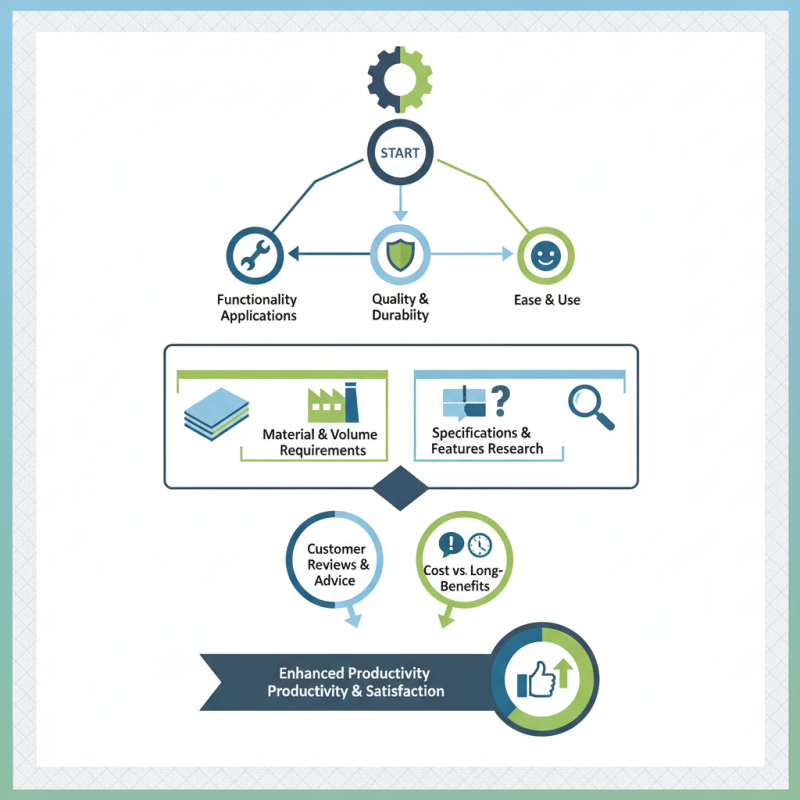
Choosing the right Perforated Mesh Machine can greatly impact your production efficiency. Many factors influence this decision, including your specific needs and applications. It’s not just about functionality; quality, durability, and ease of use are crucial.
A reliable Perforated Mesh Machine should match your material requirements and production volume. Consider the machine's specifications and features carefully. This often requires research and expert advice. Customer reviews can provide insight into a machine's performance over time.
Reflect on the long-term benefits versus initial costs. Sometimes, a cheaper option may lead to higher operational costs later. Trust your instincts and assess all available information carefully. Seeking expert opinions can also help clarify your choices. Ultimately, the right Perforated Mesh Machine will enhance your productivity and satisfaction.
Understanding Perforated Mesh Machines: Types and Functions
Perforated mesh machines play a crucial role in various industries. They are designed to create holes in materials like metal and plastic. Understanding their types and functions can significantly influence your choice. Generally, there are three main types: rotary, flatbed, and punch machines. Rotary machines are known for their speed and efficiency, making them ideal for high-volume production. Flatbed machines, on the other hand, offer versatility and are better suited for custom projects.
Industry reports highlight that the global perforated metal market was valued at approximately $1.2 billion in 2022. It is expected to grow at a CAGR of 4.6% from 2023 to 2030. This growth reflects increased demand across sectors like construction and automotive. Choosing the right machine isn’t just about features; it’s about understanding your specific needs. Sometimes, businesses overestimate their production capability, leading to investment in machines that cannot meet real demand.
While efficiency and speed are essential, precision is equally vital. The wrong choice can lead to waste and increased costs. Manufacturers must consider the materials they’ll be working with. Each type of perforated mesh machine has strengths and limitations. A mismatch can hinder production. Therefore, it’s beneficial to evaluate options carefully. Seeking insights from industry experts can greatly enhance decision-making.
Key Factors to Consider When Choosing a Perforated Mesh Machine
When selecting a perforated mesh machine, key factors play a crucial role. For instance, consider the material you will be working with. Common options include stainless steel and aluminum, each offering distinct benefits. Stainless steel exhibits high corrosion resistance, making it ideal for harsh environments. A recent industry report noted that the demand for stainless steel machines is projected to grow by 5% annually through 2025.
Another factor is the machine’s hole size and shape. The optimal specifications often depend on your specific applications. Machines with adjustable settings provide flexibility, allowing for various hole designs. A survey from industry experts indicated that companies using adjustable perforated mesh machines reported a 30% increase in productivity. This illustrates the importance of versatility in your choice.
Lastly, machine durability is essential. A low-quality machine may lead to high replacement costs over time. Research has shown that investing in robust equipment can reduce maintenance costs by up to 20%. Evaluating the machine's build quality and operational lifespan can significantly impact long-term efficiency. Consider these details carefully to make an informed decision.
Evaluating Material Compatibility for Perforated Mesh Production
When choosing a perforated mesh machine, material compatibility is crucial. Different materials respond uniquely to the perforation process. For example, metals require different settings compared to plastics. Understanding the characteristics of the material is essential for optimal results. Not all machines are versatile enough to handle varied materials effectively.
Consider the thickness and flexibility of your materials. Thicker metals might need powerful machines, while thinner materials can be perforated with lighter models. Test samples before full production can help identify the right settings. It’s important to avoid assumptions. A machine that works well for one material might underperform for another.
It’s also wise to evaluate the perforation pattern you intend to create. Compatibility issues can arise if the machine is not designed for specific patterns. Take the time to research the machine’s capabilities. Look for technical specifications that align with your material's needs. Failure to match these can lead to wasted materials and increased costs. Knowing your material better than the machine can ensure effective production.
Assessing Machine Specifications and Performance Metrics
When selecting a perforated mesh machine, understanding specifications is crucial. Look for the machine's throughput level. It should align with your production needs. This affects efficiency and overall output. Pay attention to its mesh size capabilities. Some machines excel at fine perforations, while others handle larger, more robust designs. Each application requires a tailored approach.
Assess the machine's durability and maintenance requirements. A reliable machine should withstand regular use without significant wear. Frequent downtime for repairs can be costly. Performance metrics are essential as well.
Check for the speed of operations and accuracy of perforations. Poor accuracy leads to material waste and can compromise your end product.
Moreover, consider energy consumption. Machines that use less energy reduce costs. It’s important to weigh long-term savings against initial investment. Reflecting on these points will help make an informed decision. Choosing a machine is more than just specs; it’s about finding a balance between performance, reliability, and cost-effectiveness.
Budgeting for Your Perforated Mesh Machine Purchase and Maintenance
When budgeting for a perforated mesh machine, consider both the purchase price and ongoing maintenance costs. Industry reports suggest that initial costs range from $10,000 to $50,000, depending on machine capability. After the acquisition, maintenance can take up 15% of your budget annually. This is crucial for long-term efficiency.
Routine maintenance includes regular inspections and components replacement. Failure to budget adequately may lead to unexpected costs. For instance, neglecting to change worn parts can result in machine failure, costing up to 30% more in repair compared to preventive care. Furthermore, investing in reliable training for operators can reduce mishaps. A well-trained team keeps downtime minimal, which is essential in a competitive marketplace.
Analyzing your budget helps you assess how to allocate funds wisely. This prevents overspending on unnecessary features while ensuring essential needs are met. A granular approach to budgeting will highlight potential pitfalls, such as hidden fees in service contracts. Understanding these aspects can lead to more informed financial decisions, ultimately improving your productivity and profitability in the long run.
How to Choose the Best Perforated Mesh Machine for Your Needs?
| Feature | Description | Cost (approx.) | Maintenance Frequency |
| Production Speed | Number of holes produced per minute | $15,000 - $50,000 | Monthly |
| Material Compatibility | Types of materials that can be perforated | N/A | N/A |
| Machine Dimensions | Size of the machine and workspace requirement | $10,000 - $30,000 | Yearly |
| Electric Requirements | Voltage and power consumption details | N/A | N/A |
| Support and Service | Availability of technical support and service | Varies by machine | As needed |