China Top 10 Flame Laminating Machine Manufacturers?

China’s top Flame Laminating Machine manufacturers are attracting attention from footwear, automotive, furniture, and protective-textile producers. Their equipment bonds foam, fabric, leather, or membrane layers through controlled flame activation. The process looks simple. It is not.

“Stable flame height, web tension, and line speed decide the final bond more than marketing claims,” says Dr. Li Wei, a senior textile-lamination engineer with over twenty years of factory experience. His observation offers a practical starting point for comparing suppliers. A strong machine should provide uniform burners, responsive temperature control, adjustable roller pressure, and reliable emergency shutdown systems. It should also support clear operating records and accessible replacement parts.

This guide examines ten leading Chinese manufacturers through a buyer’s lens. It considers machine structure, output range, energy use, automation, material compatibility, customization, commissioning, and after-sales support. Factory details matter. A smooth demonstration sample may hide uneven foam compression or unstable edges during long production runs. Ask for trial results using your actual materials.

No ranking is perfect. Supplier capabilities can change. Technical claims also require verification. Some manufacturers excel at compact lines, while others serve high-volume automotive applications. The best choice depends on bond strength, working width, production speed, and operator skill. A carefully tested Flame Laminating Machine can improve consistency and reduce waste, but only when the entire line is correctly calibrated.
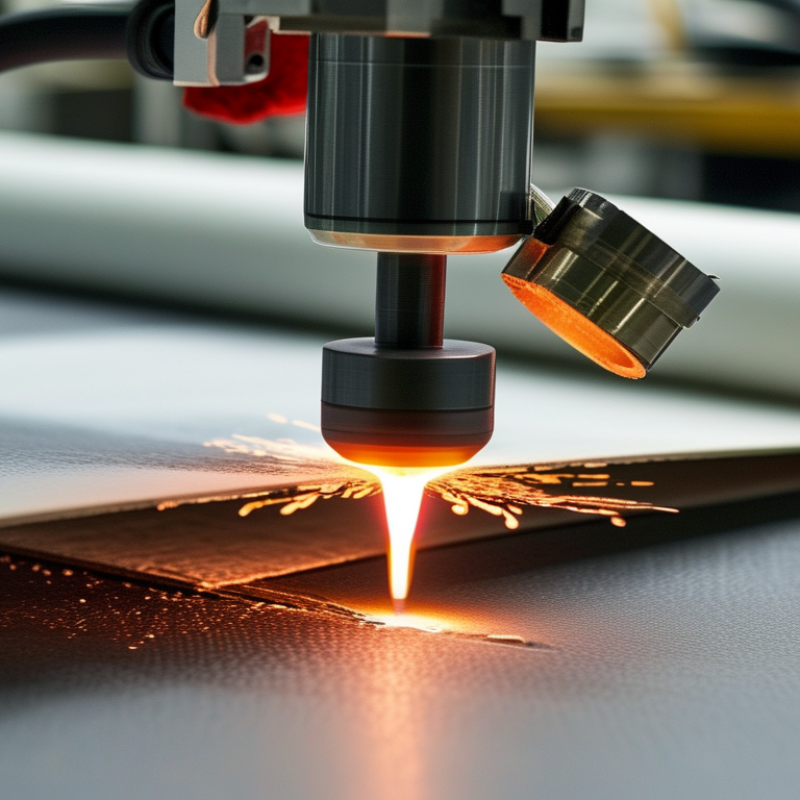
China Top 10 Flame Laminating Machine Manufacturers?

What Is a Flame Laminating Machine and How Does It Work?

A flame laminating machine bonds foam to fabric without liquid adhesive. It uses controlled heat to activate the foam surface. A thin foam layer passes briefly over a gas flame. The flame melts its outer cells and creates a tacky surface. A pressure roller then joins the foam with fabric, film, or another textile. The bond forms within seconds.

Production quality depends on several small details. Flame height, line speed, roller pressure, and fabric tension must work together. Too much heat can shrink fabric or weaken foam. Too little heat creates peeling edges. Operators should check bond strength, surface appearance, and foam thickness during trial runs. A simple peel test often reveals problems before full production.

A reliable machine should include flame sensors, emergency shutoff controls, stable temperature adjustment, and effective ventilation. The working area needs careful inspection, especially around gas connections and rollers. Experienced technicians usually begin with a slow line speed and moderate flame exposure. They adjust one setting at a time. This makes defects easier to trace. The first trial is rarely perfect. Foam density may vary between batches, and fabric coatings can react unexpectedly. That limitation deserves attention when comparing equipment from Chinese manufacturers. Clear test records, service training, spare-part access, and compliance documents can matter as much as the machine’s rated speed.

How to Evaluate Flame Laminating Machine Manufacturers in China

Evaluating China’s top flame laminating machine manufacturers requires more than comparing catalog prices. A credible supplier should explain how flame intensity, fabric speed, and adhesive compatibility affect bonding quality. Ask for production records, not only laboratory claims. Request a live demonstration using your actual fabric, foam, or film. Watch the flame width, web tension, and winding alignment closely. Small variations can create weak edges or uneven bonding.

Factory experience matters. Check whether engineers have installed similar lines in your industry and climate. Review machine drawings, component specifications, and maintenance schedules. Reliable manufacturers provide test reports for peel strength, washing resistance, and continuous running stability. They should also document burner calibration, gas monitoring, emergency stops, and operator training. Safety details are not optional. Visit the workshop if possible. Observe assembly cleanliness, cable labeling, spare-part storage, and final inspection procedures.

Do not trust polished videos alone. A quiet showroom may hide noisy production problems. Compare promised output with measured results at realistic speeds. Ask how quickly the supplier responds when temperature drifts or rollers mark the material. Clear answers reveal technical maturity. I would also request references from recent buyers, while remembering that every project differs. One weakness is acceptable if it is disclosed and corrected. Unclear records, vague warranties, or pressure for fast payment deserve careful reflection. A dependable partner communicates limitations before installation, not after failure.

China Top 10 Flame Laminating Machine Manufacturers? – How to Evaluate Flame Laminating Machine Manufacturers in China Anonymous supplier screening matrix based on commonly published flame-lamination specifications and procurement criteria. All current certificates, performance figures and service commitments should be verified directly before purchase.
No. Supplier Profile Typical Working Width Typical Laminating Speed Suitable Materials Flame System Temperature & Safety Controls Automation Level Documentation to Request Warranty Benchmark Screening Score
1 Supplier Profile 01
High-output industrial configuration
1,600–2,200 mm 15–35 m/min PU foam, polyester, knitted fabric, nonwoven, automotive textiles Continuous gas flame with adjustable burner distance Flame-failure detection, emergency stop, pressure monitoring and exhaust protection PLC control with touchscreen and automatic tension regulation Layout drawing, utility list, burner data sheet, risk assessment and factory acceptance protocol 12 months for mechanical and electrical components 92/100
2 Supplier Profile 02
Wide-width textile configuration
1,800–2,400 mm 10–30 m/min Foam-backed fabric, upholstery fabric, technical textiles and artificial leather Dual-sided or single-sided flame treatment Automatic gas shut-off, flame sensor, interlocked guards and over-temperature alarm PLC control with recipe storage and production counters CE technical file, electrical drawings, maintenance schedule and spare-parts list 12 months, with remote commissioning support 90/100
3 Supplier Profile 03
Flexible mid-speed configuration
1,300–1,800 mm 8–25 m/min Polyurethane foam, fleece, fabric laminates and household textiles Air-gas premix burner with manual or motorized adjustment Flame monitoring, pressure regulator, cooling section and emergency stop circuit Semi-automatic line with digital speed and tension controls Material trial report, burner calibration record and operator training plan 12 months, excluding consumable burner parts 88/100
4 Supplier Profile 04
Automotive-interior focused configuration
1,600–2,000 mm 12–28 m/min Automotive seat fabric, headliner textiles, foam and sound-absorbing materials Multi-zone flame burner with independent zone adjustment Closed-loop pressure control, burner interlock, exhaust monitoring and safety relay PLC/HMI control with alarm history and batch parameter management Process capability data, sample results, traceability plan and safety validation 12 months with optional extended service contract 87/100
5 Supplier Profile 05
Compact production configuration
1,000–1,500 mm 6–20 m/min Foam, fabric, felt, microfiber and small-width composite materials Single flame burner with adjustable flame height Flame sensor, manual pressure gauge, emergency stop and protective enclosure Basic digital control with manual material alignment Machine manual, utility requirements, spare-parts catalogue and acceptance checklist 12 months under standard operating conditions 84/100
6 Supplier Profile 06
Nonwoven and technical-textile configuration
1,400–2,000 mm 10–26 m/min Nonwoven fabric, filtration media, geotextiles, foam and laminated composites Gas burner with ceramic or metal flame-distribution assembly Gas-pressure alarm, flame-failure protection, exhaust fan monitoring and safety guarding PLC-based line with automatic edge guiding and tension control Substrate compatibility report, emission-control details and preventive-maintenance plan 12 months; consumables normally excluded 83/100
7 Supplier Profile 07
Cost-conscious standard configuration
1,300–1,800 mm 8–22 m/min Polyester fabric, knitted fabric, foam and general-purpose textile substrates Single-sided continuous flame burner Emergency stop, flame sensor and gas-pressure regulation; advanced interlocks vary by configuration Digital speed control with semi-automatic tension adjustment Detailed component list, electrical schematic, installation guide and test-run video 12 months, subject to commissioning conditions 80/100
8 Supplier Profile 08
Custom-engineered configuration
1,500–2,500 mm 10–30 m/min Multilayer textiles, foam, carpet backing, coated fabric and specialty substrates Customized burner arrangement based on substrate width and treatment demand Safety package is engineered per project; flame detection and gas shut-off should be confirmed Optional automatic dosing, edge guiding and remote diagnostics Approved drawings, functional specification, FAT/SAT procedure and change-control records 12 months; project-specific service terms 79/100
9 Supplier Profile 09
Entry-level export configuration
1,000–1,600 mm 5–18 m/min Lightweight fabric, foam, fleece and basic composite materials Manual or semi-automatic gas flame system Basic flame sensor and emergency stop; verify enclosure and exhaust specifications Manual alignment with digital speed display Certificate copies, user references, utility data and complete spare-parts quotation 12 months, with remote technical support 76/100
10 Supplier Profile 10
Special-purpose laboratory and pilot configuration
600–1,200 mm 3–15 m/min Development samples, narrow fabrics, foam samples and pilot-scale laminates Compact adjustable burner for trial and development work Flame monitoring, manual gas adjustment and emergency stop; laboratory ventilation is essential Manual or semi-automatic operation with recipe notes Trial protocol, burner specifications, ventilation requirements and operator-safety instructions 12 months, depending on pilot-use conditions 73/100
Evaluation criteria: machine suitability 25%, process stability 20%, safety system 20%, automation 10%, documentation 10%, after-sales capability 10% and warranty terms 5%. Performance ranges are typical procurement benchmarks rather than guaranteed specifications. Buyers should validate actual output using their own substrates, confirm applicable gas and electrical standards, and request third-party certification evidence before placing an order.

China’s Top 10 Flame Laminating Machine Manufacturers

China’s Top 10 Flame Laminating Machine Manufacturers

China’s top ten flame laminating machine manufacturers are usually judged by engineering depth, production consistency, and after-sales support. The strongest suppliers build lines for textiles, automotive interiors, footwear materials, furniture fabrics, and flexible foam. Their equipment often combines controlled flame burners, adjustable roller pressure, automatic fabric alignment, and PLC-based monitoring.

Stable heat matters. Uneven flames can damage foam edges or create weak bonding areas.

Experienced manufacturers normally provide factory trials before delivery. These tests should use the buyer’s actual foam density, fabric weight, and production speed. A reliable supplier also explains burner maintenance, exhaust requirements, emergency stops, and operator training. Ask for documented output data, spare-parts availability, and service response times. Certification claims need checking carefully. Paperwork alone cannot prove machine performance.

The top ten may differ by application rather than fame.

Some excel at compact machines for small workshops, while others design wide working widths and continuous production lines. Some offer strong customization, but excessive modification can increase downtime and cost.

That deserves reflection.

A cheaper machine may appear attractive, yet unstable flame control can waste materials and labor. Buyers should inspect weld quality, electrical cabinets, guarding, and test records in person when possible. A practical evaluation should include bonding strength, surface appearance, energy use, noise, and cleaning time. Real factory evidence is more useful than polished sales language.

Comparing Technology, Product Range, Quality, and Service

China Top 10 Flame Laminating Machine Manufacturers?

Comparing ten leading Chinese manufacturers requires more than checking machine speed. Technology should include stable flame control, automatic tension adjustment, temperature monitoring, and clear operator displays. A reliable line should bond foam, textiles, leather, or insulation materials evenly. Check working width, heating range, production speed, and changeover time. Faster is not always better.

Product range also matters. Some manufacturers offer compact machines for small workshops, while others build wide, multi-layer production lines. Quality depends on frame strength, burner consistency, sensor accuracy, and component traceability. During a factory inspection, examine welds, wiring, safety guards, and test records. Ask for sample production using your actual materials. Small defects may appear only after continuous operation. This is where many comparisons become too optimistic.

Tips: Request a documented trial, spare-parts list, training plan, and warranty terms. Confirm response times for remote and on-site service. A supplier with fewer models may still be more dependable if engineering support is strong. Reviewers should also admit uncertainty: showroom demonstrations rarely represent dusty floors, changing operators, or seasonal material differences. Real reliability appears after installation, maintenance, and repeated production checks.

China Top 10 Flame Laminating Machine Manufacturers: Market Capability Benchmark

This benchmark summarizes commonly published technical ranges for Chinese flame laminating machine offerings, focusing on technology, product range, quality-related specifications, and production capability. Actual performance depends on machine configuration, materials, and customization.

How to Choose the Right Manufacturer for Your Application

Choosing the Right Flame Laminating Machine Manufacturer for Your Application

A top-ten manufacturer list can narrow your search, but ranking alone proves little. Your materials should guide the decision. Confirm whether the machine handles foam, fabric, film, leather, or multilayer composites. Ask for documented flame temperature, treatment width, line speed, and gas consumption. These figures should match your actual production range, not only a factory test.

Request a sample trial using your own materials. Watch the flame stability, bonding uniformity, edge control, and surface damage. Small wrinkles often become expensive waste. Check burner adjustment, ventilation design, emergency shutoff systems, and operator access. A reliable manufacturer should provide clear manuals, training, spare-parts support, and measurable acceptance criteria. Ask for references from plants with similar substrates and working hours. Photos are not enough.

Do not choose by price alone. A cheaper machine may require frequent adjustments or longer downtime. Compare installation, energy use, maintenance, and response times over several years. Some buyers focus too heavily on maximum speed. That can be a mistake when product quality changes at higher output. A factory visit can reveal practical details, such as cable protection, cleanliness, and how technicians document inspections. My own evaluation would still leave room for doubt: supplier promises can sound precise before commissioning. Put every critical requirement in the contract, then test it under real operating conditions.

Request a Quote

For more information on our instruments, consumables, or services, or to request a quote, complete the contact form below, and one of our associates will reach out to you!

Request a Service Quote

To request service on your machine(s), complete the contact form below, and one of our associates will reach out to you!

Browse by:

  • Test Property
  • Manufacturer