Best TIG Welding Rods for Quality Welds in 2026?
When it comes to achieving high-quality welds, selecting the right materials is crucial. Among these materials, the choice of TIG Welding Rods significantly impacts the final results. In 2026, a variety of TIG welding rods are available on the market. Each rod has unique properties suited for different applications. Understanding these options will help you make informed decisions.
TIG welding is known for its precision. The right rod can make a significant difference in both aesthetics and strength. However, not all rods are created equal. Performance can vary based on rod composition and technique. For example, some rods may produce cleaner welds, while others are better suited for thicker materials. A welder’s experience also plays a role in determining which rod works best.
It's essential to reflect on your welding needs and preferences. Ask yourself what you are trying to achieve. Are you focusing on appearance, strength, or speed? The best TIG welding rod for one project may not be ideal for another. Therefore, being open to experimentation can lead to better results over time.
Understanding TIG Welding and Its Applications
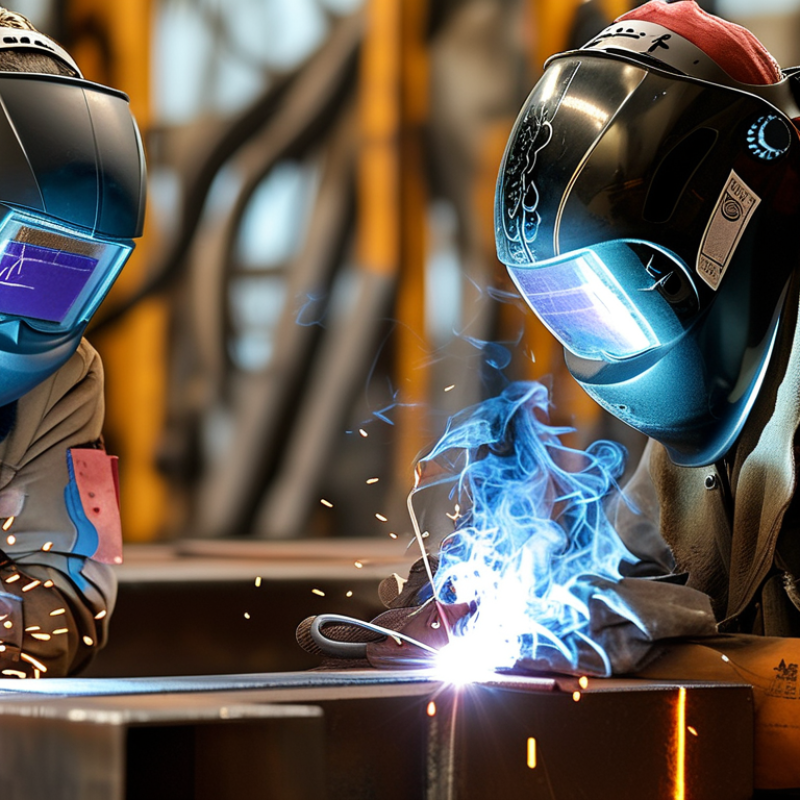
TIG welding is a versatile process widely used in various industries. It stands out for its ability to produce high-quality welds on thin materials. This process relies on a non-consumable tungsten electrode to generate the arc. The fused metals create a strong bond with minimal impurities, making TIG welding ideal for stainless steel, aluminum, and alloys.
When approaching TIG welding, remember to focus on cleanliness. Contaminated surfaces can lead to weak welds. Before you begin, ensure all materials are free of dirt and oil. This simple step can significantly improve the quality of your weld.
Practice is essential in mastering TIG welding. Don’t be discouraged by initial failures. Learning to control heat and travel speed takes time. Watching seasoned professionals can provide valuable insights. Experiment with different torch angles and filler materials to find what works best.
For anyone new to TIG welding, using proper safety gear is crucial. Protective clothing, gloves, and a suitable helmet can prevent accidents. Proper ventilation is also needed to protect from harmful fumes. This ensures a safer working environment while you refine your skills.
Key Factors When Selecting TIG Welding Rods
When selecting TIG welding rods, consider the material type first. Different metals require specific rods for optimal performance. For instance, aluminum welding demands a different rod than stainless steel. Using the wrong rod can result in weak or brittle welds. This emphasizes the importance of understanding your project needs deeply.
Another key factor is the rod diameter. The size of the rod affects the heat input and the amount of material being added to the weld. A thicker rod may be necessary for larger gaps, while a thinner rod is ideal for thin materials. Controlling the heat is crucial. An incorrect diameter may lead to excessive spatter or poor fusion.
Finally, quality is critical. Not all rods are made the same. High-quality rods ensure better consistency and performance. Testing different rods on scrap material can be valuable. It allows for adjustments and learning. Each project offers a unique challenge, and sometimes the best choice isn't immediately clear. Embrace the trial-and-error process. It’s part of honing your skills and finding what works best for your specific applications.
Top TIG Welding Rods of 2026: A Comprehensive Review
When it comes to TIG welding, choosing the right rods is essential for achieving high-quality welds. In 2026, various factors influence your selection, including the material type and welding techniques. Stainless steel, aluminum, and silicon bronze rods each have unique properties that affect weld appearance and strength. Quality rods can enhance your work significantly, but not all products deliver the same results.
Tips: Always check the rod's specifications. Consider factors like diameter and alloy composition for your specific project. Experimenting with different rods can yield unexpected results, so keep an open mind.
Welders often overlook the importance of technique. Proper arc length, travel speed, and heat settings play a crucial role alongside the rods. Regular practice helps identify which combinations work best. Documenting your experiences may reveal patterns in performance and areas for improvement.
Additionally, post-weld cleaning is vital. Residue can weaken a joint, undermining the entire effort. Be diligent in cleaning the weld area. This attention to detail will enhance the longevity and integrity of your projects in the long run.
Comparison of Popular TIG Welding Rod Brands
When selecting TIG welding rods, understanding the different brands is crucial. Each brand offers distinct features that cater to various welding needs. For instance, some rods are known for their flow characteristics, while others excel in creating clean and thorough welds. Pay attention to the alloy composition, as it significantly affects performance.
One popular comparison focuses on the rod's diameter. Thinner rods are excellent for delicate work but can be challenging for beginners. Conversely, thicker rods offer more stability but may not be suitable for all applications. Users often express frustration when they choose the wrong diameter, impacting their results. Choosing a rod that matches your project and skill level is essential.
Another factor to consider is the manufacturer's recommendations. Some brands suggest specific techniques for optimal results. However, users should be wary of rigid guidelines. Personal experience plays a vital role in welding quality. Some welders find success through trial and error. Documenting these attempts can enhance understanding over time. The journey to mastering TIG welding involves refining skills and learning from mistakes.
Tips for Achieving Quality Welds with TIG Welding Rods
Achieving quality welds with TIG welding rods requires attention to detail. Selecting the right diameter rod is crucial. For example, using a 1/16-inch rod often enhances precision for thin materials, while a 3/32-inch rod works better for thicker sections. According to industry reports, the correct selection can reduce defects like porosity by up to 30%.
Technique plays a vital role in the quality of the weld. A consistent travel speed maintains the heat input, which ensures a stable arc. Many professionals recommend a travel speed of about 5 inches per minute for optimal results. Moreover, proper gas flow is essential. A flow rate of 15-20 CFH usually yields the best results. Insufficient flow can result in contamination and weaker welds.
Practicing on scrap metal allows for improvement. It's common for even experienced welders to face issues like lack of fusion or excessive spatter. Continuous evaluation and practice address these flaws. A commitment to refining technique creates better welds over time. In a study, welders who engaged in regular practice improved their skills by nearly 40% within six months.
Best TIG Welding Rods for Quality Welds in 2026
| Rod Type | Material | Diameter (mm) | Tensile Strength (MPa) | Best Uses |
| ER70S-6 | Mild Steel | 1.6 | 490 | Structural Welding |
| ER308L | Stainless Steel | 2.4 | 520 | Food Processing Equipment |
| ER5356 | Aluminum | 1.2 | 340 | Marine Applications |
| ER4047 | Aluminum | 2.4 | 310 | Automotive Parts |
| ER6256 | Nickel Alloy | 1.6 | 690 | High-Temperature Applications |