Who Are the Best Steel Rebar Suppliers in China?

Choosing the best Steel Rebar suppliers in China requires more than comparing quoted prices. A reliable supplier should combine consistent mill production, clear documentation, and dependable export experience. The strongest candidates usually provide heat numbers, mill test certificates, chemical analysis, and mechanical test results for every batch. Small details matter. Rib patterns, bundle tags, and loading photos can reveal quality gaps before shipment.

Edwin Basson, Director General of worldsteel, has emphasized that “steel is a permanent material.” This perspective matters when evaluating suppliers for bridges, factories, residential towers, and infrastructure projects. Steel Rebar may remain in a structure for decades, so short-term savings should not outweigh traceability or performance. Buyers should compare compliance with standards such as GB/T 1499.2, ASTM A615, or BS 4449, depending on the project location. Third-party inspections can also verify yield strength, elongation, dimensions, and surface condition.

The best suppliers are not always the largest mills. Some medium-sized manufacturers offer stronger communication and more flexible production schedules. Others may struggle with technical consistency during urgent orders. That is where careful evaluation becomes essential. Ask for recent project references, factory audit records, production capacity, and realistic delivery timelines. Do not rely on polished brochures alone.

There is no perfect supplier.

Market conditions change. Shipping delays happen. Even experienced buyers can overlook a small specification difference. This guide examines leading Chinese Steel Rebar suppliers through practical criteria, including quality control, certifications, customization, logistics, pricing transparency, and customer support.
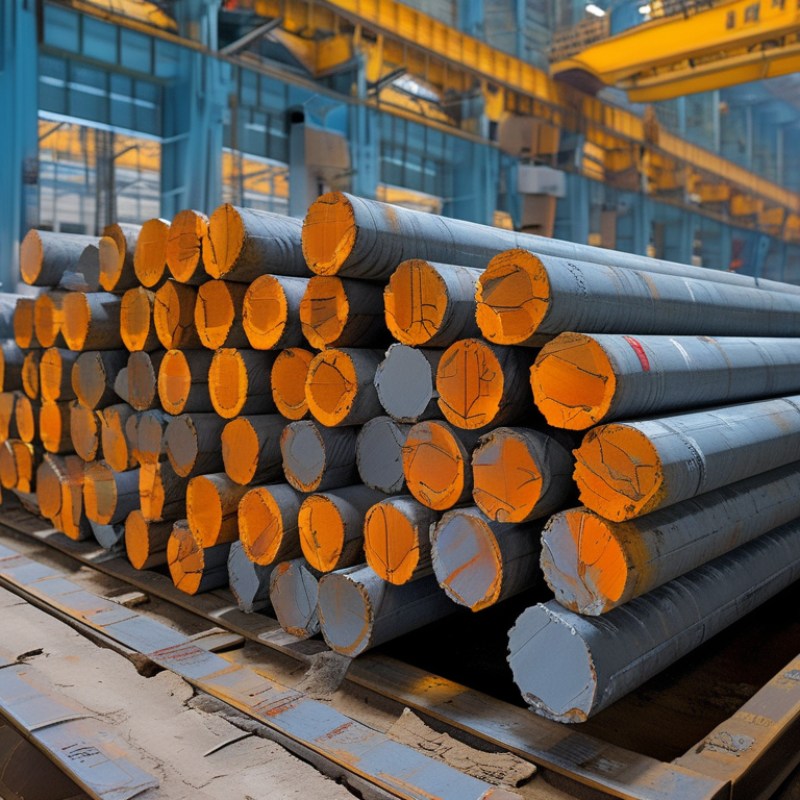
Who Are the Best Steel Rebar Suppliers in China?

What Makes a Steel Rebar Supplier in China Reliable?

A reliable steel rebar supplier in China shows evidence before making promises. Their mill certificates should state chemical composition, yield strength, tensile strength, and elongation. The heat number must match the bundle tags and inspection records. Small details matter.

Experienced buyers should inspect the production process, not only the finished bars. A dependable supplier can explain billet sourcing, rolling temperatures, rib patterns, and dimensional tolerances in clear language. They should also provide independent testing when a project requires stronger verification. Photographs help, but they are not proof. Physical samples and third-party reports offer better confidence.

Communication reveals practical reliability. Suppliers should confirm bar diameters, lengths, grades, packaging, loading plans, and delivery terms in writing. Their responses should remain consistent when technical questions become difficult. No supplier is flawless. Delays can happen, and documents may contain mistakes. What matters is whether the supplier identifies problems early and corrects them transparently. A factory visit, video inspection, or trial order can expose weaknesses before a large shipment is placed. Traceable records, realistic lead times, and careful export packaging often separate a dependable partner from a merely attractive quotation.

Key Standards for Evaluating Chinese Rebar Manufacturers

Who Are the Best Steel Rebar Suppliers in China?

The best Chinese rebar suppliers are not identified by low prices alone. Buyers should examine production control, testing discipline, and shipment reliability. A serious manufacturer should provide mill certificates for each heat or batch. These documents should show chemical composition, yield strength, tensile strength, elongation, and bend-test results. The figures must match the ordered grade and applicable standard.

Standards matter greatly. Depending on the project, buyers may require GB, ASTM, BS, or other recognized specifications. The supplier should explain differences clearly, rather than sending generic certificates. Check bar diameter, rib geometry, length tolerance, and bundle markings at the factory. Heat numbers should remain traceable from production to loading. Independent laboratory testing can verify samples before shipment. It costs more, but it may reveal problems hidden by attractive paperwork.

Experience also appears in small details. Reliable manufacturers protect bundles from seawater exposure and use readable labels on every package. They should explain production capacity, inspection frequency, and corrective procedures. Factory audits can confirm whether testing equipment is calibrated and actually used. A polished certificate is not proof of consistent quality. That gap deserves attention. Some buyers focus too heavily on price and overlook communication delays, packing weakness, or incomplete documents. This is an imperfect approach. Rebar quality depends on both steel chemistry and process control. Request recent records, inspect a real batch, and compare performance across several shipments before making a long-term decision.

Key Rebar Strength Standards for Evaluating Chinese Manufacturers

The chart compares the specified minimum yield and tensile strengths of common earthquake-resistant Chinese rebar grades under GB/T 1499.2-2018. Buyers can use these benchmarks to review mill test certificates, laboratory reports, and batch consistency when evaluating suppliers.

Reference: GB/T 1499.2-2018, Steel for the Reinforced Concrete — Part 2: Hot Rolled Ribbed Bars.

Leading Steel Rebar Suppliers and Their Market Strengths

China’s leading steel rebar suppliers differ by market strength, not simply by price. Large integrated mills offer stable production, consistent chemical composition, and stronger control over billet quality. Their laboratories usually provide heat numbers, tensile results, yield strength, elongation, and bend-test records. This matters for high-volume construction projects with strict inspection schedules.

Regional rolling mills can respond quickly to customized diameters, cut lengths, and delivery plans. Export-focused suppliers often have better port coordination and documentation experience. They may also understand regional standards, packaging rules, and inspection procedures. However, capacity claims can be difficult to verify. A polished website proves little. Buyers should request recent test certificates, factory photographs, production schedules, and independent inspection access before placing a large order.

Tips: Compare more than the quotation. Check grade compatibility, tolerance records, minimum order quantities, and replacement policies. Ask how suppliers protect bundles during ocean transport. Rust marks after arrival can create expensive disputes. Confirm every requirement in a signed specification, including coating, labeling, and delivery terms. A small trial order is wiser than a confident assumption. Even experienced buyers sometimes overlook port congestion or certificate inconsistencies. That mistake is avoidable.

Product Quality, Certifications, and Production Capabilities

Who Are the Best Steel Rebar Suppliers in China?

Product Quality, Certifications, and Production Capabilities

China remains the world’s largest steel producer. The World Steel Association reported about 1.02 billion tonnes of crude steel production in China during 2023. This scale supports large rebar orders, but capacity alone does not guarantee dependable quality. Buyers should inspect mill test certificates, chemical analysis, tensile strength, yield strength, and elongation results. Test samples should match the delivered heat number. Small details matter.

Reliable suppliers usually manufacture rebar under standards such as GB/T 1499.2, ASTM A615, or BS 4449. ISO 9001 indicates a documented quality system, while ISO 14001 and ISO 45001 address environmental and occupational controls. However, certificates are evidence, not proof. Independent inspections, calibrated laboratories, and traceable production records provide stronger assurance. The ISO Survey 2023 recorded more than 1.2 million ISO 9001 certificates worldwide, showing how common certification has become. Common does not mean sufficient.

Production capability also deserves close attention. A capable mill should control billet sourcing, rolling temperature, bar dimensions, rib geometry, and bundle marking. Its facility should offer stable monthly output, laboratory testing, and export packing suited to sea transport. World Steel Association data shows China’s enormous output, yet large production can hide inconsistent batches. Buyers sometimes trust impressive factory photographs too quickly. That is a mistake. A practical assessment combines factory experience, recent inspection reports, verified references, and clear corrective-action procedures. No supplier is perfect. The best one responds transparently when a test result looks unusual.

How to Choose the Right Chinese Rebar Supplier for Your Project

Choosing the right Chinese rebar supplier requires more than comparing the lowest quotation. A reliable supplier should show consistent production records, clear quality controls, and practical export experience.

Ask for recent mill certificates, chemical test results, and mechanical property reports. Each bundle should carry a heat number matching the inspection documents. Confirm the rebar diameter, grade, length, surface condition, and allowable tolerances before placing an order. A small sample can reveal rust, uneven ribs, or cutting problems.

Request photos or video of the rolling line, storage yard, and loading process. Check whether steel is stored above standing water and protected from mixed inventory. Independent inspection before shipment adds confidence, especially for large construction projects. Confirm production capacity against your schedule, not just the supplier’s promises. Delivery delays can disrupt concrete pouring and increase site costs.

Communication also matters. The supplier should answer technical questions directly and provide updated documents without repeated reminders. Discuss packaging, marking, payment terms, claims, and replacement procedures in writing. A low price may hide weaker traceability or uncertain delivery. No checklist is perfect. I would still compare a supplier’s recent performance with references from similar projects, then review the final purchase details with an experienced engineer.

Who Are the Best Steel Rebar Suppliers in China? — How to Choose the Right Chinese Rebar Supplier for Your Project
Evaluation Dimension What a Reliable Supplier Should Provide Recommended Verification Method Relevant Standard or Reference Project Priority
Product Grade Clear designation of the rebar grade, yield strength, tensile strength, elongation, and bend performance required for the project. Compare the supplier’s technical data sheet with the project specification and request recent mill test certificates. ASTM A615/A706, BS 4449, EN 10080, or the applicable national standard. High
Chemical Composition Controlled levels of carbon, manganese, sulfur, phosphorus, and carbon equivalent where weldability is required. Review heat-specific chemical analysis and confirm that values meet the selected standard. The chemical limits specified by the applicable product standard and project welding requirements. High
Mechanical Properties Consistent yield strength, tensile strength, elongation, and tensile-to-yield ratio within the ordered grade. Request third-party or accredited laboratory test reports covering representative heats. ASTM A615/A706, BS 4449, EN 10080, or the contract specification. High
Bar Sizes and Lengths Availability of the required nominal diameters, standard lengths, cut-to-length bars, and dimensional tolerances. Confirm the size schedule, length tolerance, mass tolerance, and production capability in the quotation. Applicable dimensional and mass-tolerance clauses in the selected standard. High
Surface Condition Ribbed bars with clean surfaces and no harmful cracks, laminations, excessive rust, oil, or scale that could affect bonding. Perform visual inspection and, when needed, request independent inspection before shipment. The surface-quality and deformation requirements of the applicable rebar standard. High
Traceability Each bundle should be identifiable by heat number, grade, diameter, quantity, production date, and manufacturer documentation. Check that bundle tags, packing lists, invoices, and test certificates carry matching identification. Project quality plan, inspection and test plan, and applicable certification requirements. High
Quality Management A documented quality-management system with inspection procedures for raw materials, rolling, testing, and final release. Request a valid quality certificate and audit records; verify certificate scope and validity with the issuing body. ISO 9001 is commonly used as a quality-management reference; product compliance remains essential. High
Testing Capability Access to tensile, bend, rebend, chemical, dimensional, and mass tests appropriate to the ordered product. Review laboratory scope, equipment calibration records, and sample test reports. Testing methods specified in the selected product standard and contract. High
Inspection Support Willingness to accept pre-shipment inspection, container or loading supervision, and independent sampling. Include inspection rights, sampling frequency, nonconformance handling, and release procedures in the purchase contract. Project inspection and test plan; independent inspection agency procedures where applicable. High
Production Capacity Capacity sufficient for the required monthly quantity, delivery schedule, diameter mix, and repeat orders. Request a production schedule, confirmed lead time, and evidence of available rolling and storage capacity. Project schedule, agreed delivery milestones, and contract supply plan. High
Delivery and Export Experience Experience with export documentation, port handling, container or bulk shipment, and destination-country requirements. Review a sample export document set and confirm the proposed Incoterm, loading port, and transit plan. Incoterms® 2020 and the importing country’s customs and documentation rules. Medium
Packaging and Protection Securely bundled bars with weather-resistant identification tags and loading arrangements that reduce deformation and damage. Approve packing specifications, bundle weights, lifting points, and photographs before dispatch. Contract packing instructions and safe loading requirements for the selected transport mode. Medium
Price Transparency A clear quotation showing grade, diameter, quantity, tolerance, testing, packing, freight basis, taxes, and payment terms. Compare technically equivalent quotations and identify exclusions, surcharges, and validity periods. Commercial contract, agreed specification, and Incoterms® 2020. High
Payment Security Payment terms that balance supplier requirements with buyer protection, especially for large or first-time orders. Use documented banking details, staged payments, letters of credit, or payment against verified shipping documents where appropriate. Mutually agreed contract terms and the buyer’s internal procurement controls. High
Technical Communication Fast, accurate responses covering drawings, grade equivalency, tolerances, certificates, inspection, and delivery planning. Evaluate response quality during the quotation stage and record all technical commitments in writing. Approved project specification, submittal procedure, and communication protocol. Medium
Nonconformance Handling A defined process for claims, replacement, re-testing, corrective action, and cost allocation when material fails requirements. Include acceptance criteria, claim deadlines, evidence requirements, and remedies in the sales contract. Contract quality clauses and the applicable product standard. High
Sustainability Information Reliable information on recycled content, energy use, emissions data, and environmental product declarations when required. Request verifiable environmental documentation rather than relying only on marketing statements. Project sustainability requirements and recognized environmental reporting frameworks. Low to Medium
Overall Supplier Score Choose the supplier with the strongest balance of verified compliance, traceability, capacity, delivery reliability, commercial clarity, and total landed cost. Use a weighted scorecard; do not select solely on the lowest quoted price. Project risk assessment, procurement policy, and approved technical specification. High
The table is a supplier-selection framework for Chinese steel rebar procurement. All technical requirements should be confirmed against the project specification and the applicable standard before ordering.

Article Source:

Request a Quote

For more information on our instruments, consumables, or services, or to request a quote, complete the contact form below, and one of our associates will reach out to you!

Request a Service Quote

To request service on your machine(s), complete the contact form below, and one of our associates will reach out to you!

Browse by:

  • Test Property
  • Manufacturer