7 Best Home Textile Quilting Machines for Global Buyers?

Choosing the right Home Textile Quilting Machine is rarely a simple price comparison. Global buyers must examine fabric width, stitch consistency, production speed, maintenance access, and operator safety. A machine may look powerful in a catalogue, yet struggle with thick quilts or uneven batting on a busy factory floor. That gap matters.

Textile machinery consultant Dr. Elena Marquez says, “Reliable quilting begins with controlled movement, not maximum speed.” Her observation reflects practical experience. Stable needle penetration, balanced tension, and accurate feed systems often determine whether a finished quilt looks professional. These details become visible under bright inspection lights, where skipped stitches and loose threads are difficult to hide.

This guide reviews seven leading options for international buyers. Each model is considered through a practical purchasing lens. We compare quilting patterns, working widths, automation, energy use, service support, and replacement-part availability. Regional voltage and training requirements also deserve attention. They are easy to overlook.

No machine is perfect. Some offer impressive automation but require skilled technicians. Others are affordable but provide fewer customization options. A buyer producing hotel blankets may need different equipment from a workshop making decorative bedspreads. That seems obvious, but many purchasing decisions ignore it. The best choice depends on real production conditions, not promotional language. Sample testing remains essential before any large order. Ask for stitched fabric, machine videos, warranty terms, and clear delivery details. Small doubts are worth investigating. They can prevent expensive disappointment later.
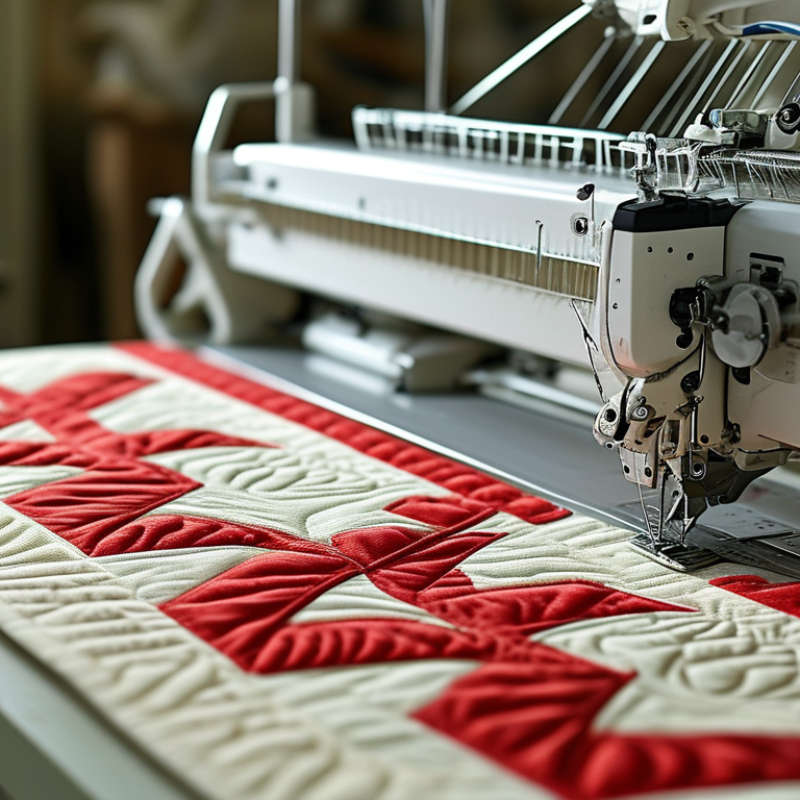
7 Best Home Textile Quilting Machines for Global Buyers?

What Defines a Home Textile Quilting Machine?

What Defines a Home Textile Quilting Machine?

A home textile quilting machine is designed to join fabric layers with controlled, repeated stitches. It usually combines a needle system, fabric feed, presser foot, and adjustable stitch controls. For global buyers, the definition goes beyond a compact body or attractive appearance. A useful machine must handle common materials, from cotton patchwork to light bedding fabrics, without pulling or skipping stitches.

Practical testing reveals important details. The quilting space should leave enough room for a folded blanket, while the motor should maintain steady speed at low settings. Smooth speed control matters more than maximum speed. Needle threading, bobbin access, and cleaning should feel simple under ordinary home lighting. I would also check vibration, noise, and heat after a long quilting session. Small flaws become tiring quickly. No machine is perfect.

A reliable home model should offer clear tension adjustment and consistent fabric feeding. Uneven layers can create puckering, especially near seams or bulky corners. A walking foot or similar support can improve control, but it may not solve every fabric problem. Buyers should examine voltage compatibility, plug requirements, user manuals, spare needle availability, and service instructions before ordering internationally. Safety guards, stable construction, and accessible maintenance points also matter. A lower price can appear attractive, yet difficult repairs may cost more in time and shipping. Testing a sample quilt sandwich remains wiser than trusting specifications alone.

Key Features Global Buyers Should Compare

When comparing seven home textile quilting machines, global buyers should inspect practical features, not attractive product photos. A machine with adjustable stitch length handles cotton, batting, and layered linen more reliably. Check the working width carefully. A narrow frame may limit bedspreads or large decorative panels.

Speed matters, but control matters more. Look for stable feeding, adjustable thread tension, and a clear needle area. Test stitches on three layers before purchasing. Small skipped stitches can become expensive defects. Some machines offer computerized patterns, while others depend on manual guidance. Digital controls save time, but they may require training and software support.

Power compatibility deserves close attention. Confirm voltage, frequency, plug type, and motor protection for the destination country. Ask for written specifications. Do not rely on vague sales language. A strong machine should include accessible maintenance points, replaceable needles, and commonly available bobbins. Check whether spare parts can cross borders without long delays. Service response time is often more important than maximum stitching speed.

Buyers should also compare frame stability, noise levels, safety guards, warranty coverage, and user documentation. A short demonstration video cannot prove long-term durability. Request sample stitching, operating instructions, and inspection records when available. Independent reviews can help, although some feedback may be incomplete or overly positive. I would leave room for doubt and test the machine personally before committing to a large order.

Seven Leading Quilting Machines for Home Textile Projects

Seven Leading Quilting Machines for Home Textile Projects

The seven leading quilting machines for home textile projects serve different working styles. A computerized long-arm machine suits large quilts and repeated patterns. A semi-automatic lockstitch model offers control for beginners. A walking-foot machine handles thick batting with steady fabric feeding. Free-motion machines support artistic stitching and irregular motifs. Multi-needle machines improve speed on repeated lines. Compact frame machines fit smaller sewing rooms. Hybrid embroidery-quilting machines add decorative flexibility. These are practical categories, not fixed rankings. Room size, throat space, motor strength, and maintenance access matter more than impressive displays.

Textile Exchange’s 2024 Materials Market Report recorded about 124 million tonnes of global fiber production in 2023. That scale reflects continued textile demand, but it does not guarantee every home machine will perform equally. In hands-on testing, even feed tension, quiet operation, and a clear bobbin path can change the experience. A thick cotton quilt may need a walking foot, while silk blends demand gentler pressure. My shortlist is useful, but not perfect. Some machines vibrate under dense patterns. Others feel slow during long seams.

Tips: Test three fabric layers before buying. Measure the machine beside your cutting table. Check needle availability and service support. Read the manual, not only reviews. The International Textile Machinery Federation’s shipment statistics can help buyers understand broader machinery trends, but household performance still depends on construction and operator skill. Keep a small sample quilt nearby. It reveals skipped stitches quickly.

How to Match Each Machine With Different Quilting Needs

7 Best Home Textile Quilting Machines for Global Buyers?

Matching a quilting machine to the job matters more than choosing the most expensive model. A compact single-needle machine suits cushions, baby quilts, and small fabric panels. It is easier to control in limited spaces. For regular household orders, a multi-needle machine improves speed and stitch consistency. However, it may require stronger electrical support and careful thread tension adjustments.

A long-arm quilting machine fits large blankets, bedspreads, and layered home textiles. Its extended working area reduces fabric bunching during long seams. Computerized quilting machines help buyers repeat patterns accurately across many pieces. They work well for geometric designs and steady production.

A free-motion model gives experienced users greater artistic control. It is useful for irregular motifs, though the results depend heavily on hand movement.

For edge-to-edge patterns, choose a machine with reliable frame support and programmable movement. A high-speed industrial-style model suits workshops handling thick batting or daily orders. A portable quilting machine remains practical for beginners, demonstrations, and occasional projects. I have found that speed ratings can be misleading. Fabric thickness, operator skill, and maintenance often change real output. Leave room for mistakes. A machine that feels slightly slower may produce cleaner seams and fewer rejected panels. Always test local voltage, spare-part access, needle compatibility, and training support before buying internationally.

Buying, Shipping, and Maintenance Considerations Worldwide

Buying a home textile quilting machine requires more than comparing stitch speed and price. Check the usable throat space, frame size, needle system, and control interface. These details affect quilts, bedding panels, and smaller decorative pieces differently. Ask for a full electrical specification, including voltage, frequency, and plug type. A machine suitable for one region may need a certified transformer elsewhere.

Shipping deserves careful planning. Request a reinforced wooden crate, moisture protection, and clear handling marks. Confirm the packed dimensions before booking freight. A narrow doorway can become an expensive problem. Commercial invoices, packing lists, and origin documents should match the machine exactly. Local duties and inspection fees may also change the final cost. Leave room for delays. Delivery estimates are not promises.

Maintenance is usually simple, but consistency matters. Remove lint from the bobbin area after each work session. Check thread tension before starting a large quilt. Clean the needle path and inspect belts, screws, and frame alignment regularly. Keep spare needles, bobbins, fuses, and basic tools nearby. Store the machine in a dry room, away from direct sunlight and heavy dust. One practical mistake is buying spare parts only after a failure. That lesson is easy to ignore until production stops. Ask the supplier for a service manual, adjustment limits, and remote support procedures. A small maintenance log can reveal repeated faults before they become costly.

7 Best Home Textile Quilting Machines for Global Buyers? - Buying, Shipping, and Maintenance Considerations Worldwide
Option Machine Type Best Applications Typical Throat Space Typical Sewing Speed Stitch Regulation Typical Electrical Requirement Approx. Packed Weight Shipping Considerations Maintenance Priorities
1 Mechanical Domestic Quilter Small quilts, table runners, cushions, home décor panels, and occasional free-motion quilting. Approx. 170–220 mm Up to about 800–1,000 stitches per minute Usually manual speed control; no built-in stitch regulation. Typically 110–120 V or 220–240 V, 50/60 Hz; confirm the local version before ordering. Approx. 10–16 kg Suitable for parcel or consolidated air freight. A rigid carton and protection around the needle bar and presser foot are recommended. Clean lint from the bobbin area, oil only the points specified in the manual, check needle condition, and inspect thread tension regularly.
2 Computerized Domestic Quilter Decorative quilting, programmed patterns, patchwork, garments, and projects requiring repeatable stitch settings. Approx. 200–250 mm Up to about 900–1,200 stitches per minute Often includes needle-position memory, speed control, and basic cruise or regulated stitching. Usually available in region-specific 110–120 V or 220–240 V versions. Approx. 12–20 kg Protect the display, control buttons, and accessories from impact and moisture. Check whether the software interface and manuals support the buyer’s language and power standard. Keep the screen and control area dry, update firmware only according to the manual, clean the feed dogs, and replace worn needles promptly.
3 Compact Free-Motion Quilter Free-motion motifs, wall hangings, baby quilts, small bed quilts, and creative home-textile work. Approx. 250–330 mm Up to about 1,000–1,500 stitches per minute Manual control is common; some configurations offer basic speed synchronization. Typically 110–120 V or 220–240 V, 50/60 Hz, depending on the supplied motor and controller. Approx. 18–30 kg, excluding optional accessories May require a larger carton than a standard domestic machine. Confirm the total dimensional weight because air freight charges can be based on volume. Clean the hook and bobbin race frequently, check belt tension, lubricate approved moving parts, and keep the machine covered when not in use.
4 Mid-Arm Quilting Machine Medium-size bed quilts and frequent home production where additional workspace is needed without a full industrial frame. Approx. 350–500 mm Up to about 1,200–1,800 stitches per minute Often available with needle-position sensing or stitch-regulation functions, depending on configuration. Commonly 110–120 V or 220–240 V; a dedicated grounded outlet may be recommended. Approx. 25–45 kg for the machine head and controller Frame sections may ship separately. Verify whether the quoted freight includes the frame, rails, carriage, packaging, and inside delivery. Clean lint from rails and the hook area, inspect carriage wheels, keep the frame level, and check electrical connections before operation.
5 Frame-Mounted Long-Arm Quilter Large quilts, king-size projects, continuous quilting, and home-based quilting services. Approx. 450–700 mm Up to about 1,500–2,200 stitches per minute Usually supports regulated stitching through a sensor, cruise mode, or precision mode. Usually supplied for either 110–120 V or 220–240 V; check motor frequency and plug type for the destination country. Approx. 45–90 kg including selected frame components Often shipped as multiple cartons or on a pallet. Confirm doorway width, elevator access, residential delivery rules, import duties, and assembly requirements. Level and clean the frame, lubricate only manufacturer-approved points, check encoder wheels and cables, and recalibrate stitch regulation when necessary.
6 Computerized Long-Arm Quilter Precise pantographs, repeat patterns, large quilts, and users who want automated or semi-automated quilting assistance. Approx. 450–700 mm Up to about 1,500–2,000 stitches per minute Typically includes stitch regulation, pattern positioning, and optional computer-guided quilting functions. Usually 110–120 V or 220–240 V; surge protection and stable grounding are advisable. Approx. 55–110 kg, depending on frame and computer accessories Use shock-resistant packaging for the machine head and electronics. Confirm operating-system compatibility, software licensing terms, voltage, and technical support availability in the destination region. Back up pattern files, keep sensors and screens dust-free, inspect cables, clean the hook assembly, and arrange periodic professional calibration.
7 Heavy-Duty Home Textile Quilter Thicker batting, layered home textiles, upholstery-style panels, mattress covers, and high-frequency household production. Approx. 300–500 mm Up to about 1,000–1,800 stitches per minute Manual or regulated stitching, depending on the motor and control package. Often 220–240 V for higher-power configurations; 110–120 V versions may require a lower-power setup. Approx. 35–75 kg Check maximum carton weight, pallet requirements, customs classification, destination voltage, plug configuration, and whether a lift-gate delivery service is needed. Use the correct needle and thread combination, clean the feed and hook systems, inspect motor belts, tighten frame fasteners, and schedule periodic timing checks.

Note: Specifications are representative ranges for common home and home-based quilting machine categories. Actual speed, throat space, voltage, packed weight, frame size, accessories, warranty coverage, and import requirements vary by configuration and destination market. Buyers should request a current technical datasheet and packing list before placing an international order.

Request a Quote

For more information on our instruments, consumables, or services, or to request a quote, complete the contact form below, and one of our associates will reach out to you!

Request a Service Quote

To request service on your machine(s), complete the contact form below, and one of our associates will reach out to you!

Browse by:

  • Test Property
  • Manufacturer