Best CNC Bending Machine for Global Buyers How to Choose?
Choosing the best CNC bending machine is critical for manufacturers worldwide. In 2021, the global CNC bending machine market was valued at approximately $2.3 billion. This figure is expected to grow by about 6% annually. Accuracy, speed, and reliability are key factors driving this growth. As industries evolve, the demand for precise metal forming increases.
Expert opinions highlight that selecting the right CNC bending machine directly impacts production efficiency. The wrong choice can lead to increased operational costs and reduced quality. For example, an ill-suited machine may require frequent repairs, affecting project timelines. Furthermore, the complexity of options available can overwhelm buyers. Knowing specifications and features is essential when making a selection.
In an industry where technological advancements are rapid, staying updated is necessary. Reports indicate that integrating automation in CNC bending machines enhances efficiency. However, not every buyer understands the implications. Balancing cost, features, and future needs can be challenging. The journey of finding the right CNC bending machine requires careful consideration and informed decisions.
Understanding CNC Bending Machines: An Overview of Types and Features
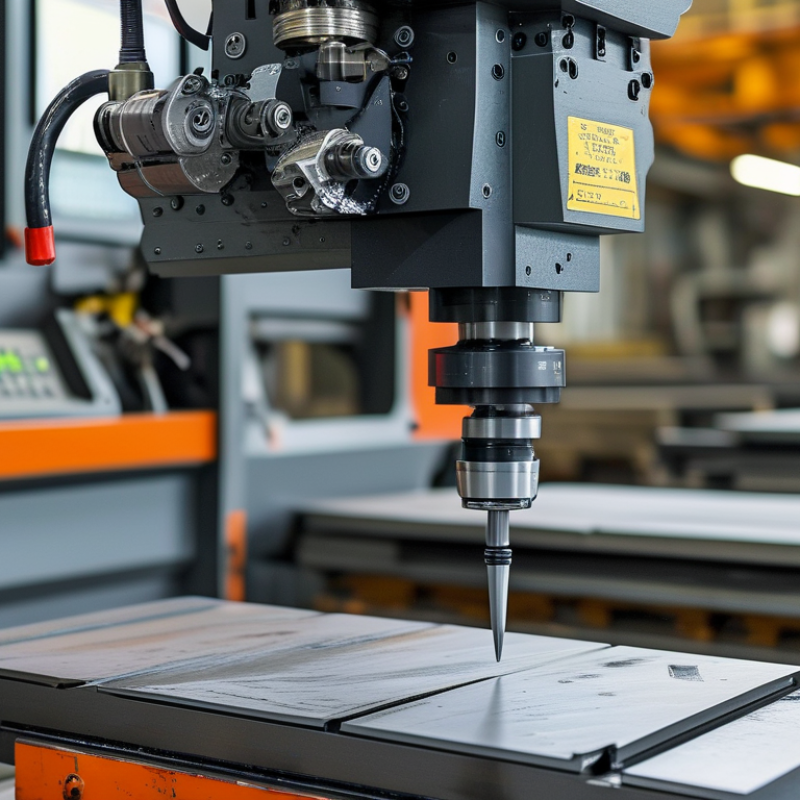
CNC bending machines are vital in various industries. They offer precision and efficiency in shaping metal. Understanding their types and features can guide buyers toward better choices.
The two main types are fixed angle and variable angle bending machines. Fixed angle machines work best for consistent tasks. They are simple and reliable. On the other hand, variable angle machines offer flexibility for different projects. This variety can enhance productivity. The choice depends on specific needs.
Features like control systems and bending capacity deserve attention. Some machines include advanced controls, allowing real-time adjustments. Others may have limited features. It's crucial to weigh these aspects against project requirements. Remember that investing in the right CNC machine enhances long-term results.
Different users may face challenges, like maintenance or operator training. Understanding these factors can lead to better decision-making.
Key Factors to Consider When Choosing a CNC Bending Machine
Choosing the right CNC bending machine is crucial for global buyers. Several key factors should be considered to ensure optimal performance and efficiency. The first factor to evaluate is bending capacity. Understand the thickness and type of material you will be working with. Each machine has specific capabilities, which you must match to your needs.
Another vital aspect is the machine's precision. Inconsistent bending can lead to waste and errors in production. Look for features that enhance accuracy such as advanced control systems and high-quality components. A machine with a reputable track record tends to offer reliable performance, though this is not always guaranteed.
Additionally, consider support and training. Having access to quality customer service and training resources can make a significant difference. Many buyers overlook the importance of these resources. A machine might look great on paper, yet lacking support can hinder your operations. Always inquire about after-sales support and training offerings before making a decision.
Comparative Analysis of Leading CNC Bending Machine Brands
When choosing a CNC bending machine, conducting a comparative analysis of leading brands is crucial. Each brand offers unique features and capabilities, impacting performance and reliability. Some brands excel in precision, while others focus on speed and versatility. Buyers should consider specific requirements based on their production needs.
Attention to detail is vital. Pay attention to the machine's bending capacity and accuracy. Some machines offer advanced software to enhance productivity. However, this can complicate operations for less experienced users. Additionally, maintenance and service support play a significant role in long-term satisfaction. Some brands might promise excellent service but fail to deliver. Research customer reviews for real-world insights.
Don't overlook the importance of training and resources provided by the manufacturer. Lack of proper training can lead to operational mishaps. Additionally, the machine’s adaptability to different materials should be considered. Some machines struggle with non-standard materials, causing frustration in production. This reflection reveals the need for careful selection to ensure the right fit for your business needs.
Evaluating Cost vs. Performance in CNC Bending Machines
When choosing a CNC bending machine, evaluating cost versus performance is essential. A recent industry report reveals that the global market for CNC bending machines is projected to reach $4.5 billion by 2025, with a CAGR of 5.2%. This growth highlights the increasing demand for machines that balance affordability and efficiency.
Investing in a high-performance CNC bending machine can significantly impact productivity. However, buyers often face limitations in budgets. Data indicates that around 30% of businesses opt for cheaper models, which may lack essential features. Many of these machines do not provide the precision required for complex bending tasks. A slight miscalculation can result in scrap rates skyrocketing, leading to hidden costs.
Performance is not solely about speed or output. Features like software capabilities and ease of operation also matter. Reports show that companies that invest in user-friendly machines reduce operator errors by 20%. This reduction can lead to enhanced accuracy over time. Ultimately, buyers should ensure that their chosen machines provide long-term value rather than just a low sticker price. Balancing these elements requires careful research and reflection.
Cost vs. Performance in CNC Bending Machines
This chart compares the performance scores and costs of different CNC bending machines. The performance score ranges from 1 to 10, while the cost is measured in thousands of dollars. Buyers can use this information to find the best balance between cost and performance.
Tips for Global Buyers: Ensuring Quality and Compliance in Purchase
When choosing a CNC bending machine, global buyers need to focus on quality and compliance. The right machine should meet international standards. A report from the International Organization for Standardization (ISO) indicates that nearly 30% of manufacturing delays relate to equipment failures. This emphasizes the need for reliable machinery.
Tips for choosing the right CNC bending machine include checking compliance certifications. Look for machines that adhere to ISO and CE standards. These certifications ensure that the equipment is tested and meets safety regulations. Buyers should also consider the machine’s capabilities. Some machines excel in precision, while others are built for high volume. Assessing these features is crucial.
Another important aspect is supplier reliability. A survey from the Manufacturing Institute found that about 20% of buyers face issues with non-compliant suppliers. Engaging with manufacturers that have a solid track record can mitigate these risks. Ask for references and check online reviews. Ensure the supplier offers robust customer support. This can save you from future operational challenges.