What Are the Benefits of Znse Lens for China Best Quality?
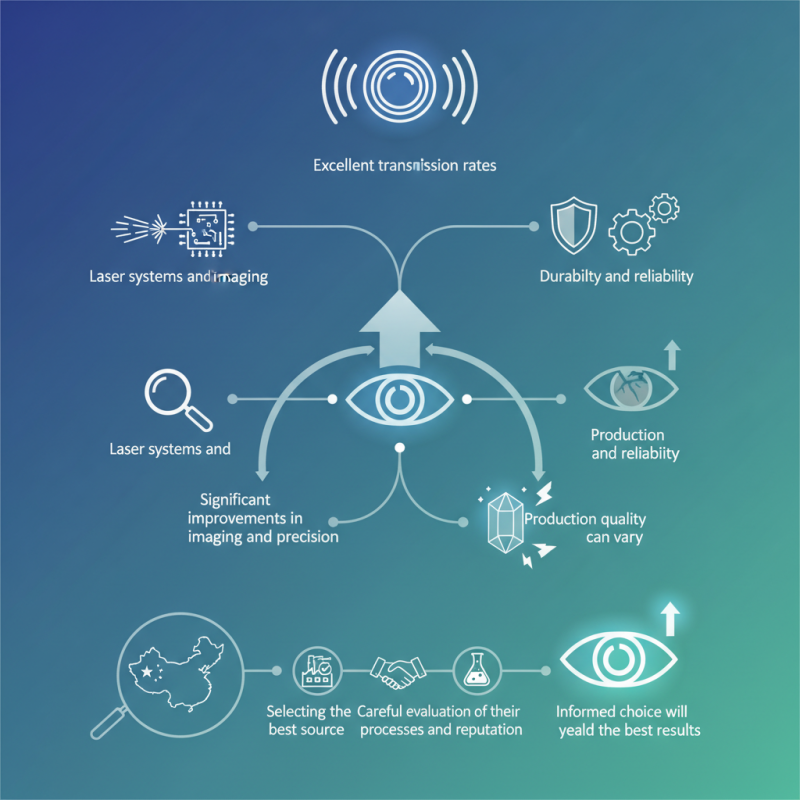
Znse Lens stands out in the optical industry for various compelling reasons. Known for its excellent transmission rates, these lenses are essential in many applications. They deliver clarity that enhances performance in laser systems and thermal imaging.
This high-quality material ensures durability and reliability, making it a preferred choice for professionals. Users often notice significant improvements in imaging and precision. However, it’s essential to consider that the production quality can vary between suppliers. Selecting the best source for Znse Lens in China is crucial.
While many manufacturers offer similar products, not all meet the same standards. Careful evaluation of their processes and reputation is necessary. This will guarantee that you invest in lenses that truly enhance your optical setups. Making an informed choice will yield the best results for your specific needs.
Benefits of ZnSe Lenses in Optical Applications
ZnSe lenses have gained recognition in the optical industry for their unique properties. These lenses are primarily valued for their high transmission from 0.5 to 18 µm wavelengths. This broad spectrum capability makes them ideal for applications such as infrared thermal imaging and laser systems. Industry data suggests that ZnSe lenses can achieve over 90% transmission efficiency in the mid-infrared range, crucial for precise imaging requirements.
In addition to their optical performance, ZnSe lenses exhibit excellent durability. They withstand harsh environments, which can often damage other lens materials. A report by the Society for Optical Engineering highlights that their thermal stability extends operational life significantly. However, lens fabrication processes can sometimes lead to imperfections. These imperfections may require careful evaluation during quality assurance checks. Attention to detail remains critical in ensuring optimal performance in specific applications.
Moreover, integrating ZnSe lenses into systems can enhance overall functionality. For instance, they can improve the resolution in imaging systems. Yet, users must be aware of the limitations in terms of their susceptibility to scratches and their relatively higher cost compared to other materials. Understanding these factors is essential for making informed choices in optical design.
High Thermal Conductivity of ZnSe Lenses Explained
Zinc selenide (ZnSe) lenses are gaining attention for their high thermal conductivity. This characteristic makes them ideal for various optical applications. When heat builds up in optical systems, performance can drop significantly. ZnSe effectively dissipates this heat, maintaining stability in optics.
High thermal conductivity allows for better energy management. In laser systems, fluctuating temperatures can impact beam quality. ZnSe lenses help minimize these effects. With improved heat dissipation, they can sustain high power levels, which is essential in specialized fields.
However, not all applications will benefit equally from ZnSe lenses. For some setups, the cost may be a concern. Additionally, users must consider their specific needs and conditions for usage. While the advantages are clear, careful evaluation is necessary. Balancing costs with performance is crucial for optimal results.
ZnSe Lenses: Enhancing Performance in Infrared Technology
ZnSe lenses are pivotal in the realm of infrared technology. Their unique properties enhance the transmission of infrared radiation, making them suitable for a variety of applications. With remarkable durability, these lenses withstand harsh environments. This quality is essential for industries where reliability is crucial.
The optical performance of ZnSe lenses also stands out. Their ability to focus infrared light results in clearer images and sharper details. This is particularly beneficial in thermal imaging and laser systems. However, one must consider the potential for thermal distortion when using these lenses in high-power applications. They can deform under extreme conditions, which might affect overall performance.
Moreover, ZnSe lenses boast excellent chemical resistance. This feature increases their lifespan, especially in demanding settings. Nevertheless, caution is advised during handling; scratches can easily compromise their effectiveness. A balance between durability and care is necessary to maximize their advantages. Understanding these nuances helps users make more informed decisions in their applications.
Durability and Reliability of ZnSe Lenses in Various Environments
ZnSe lenses are gaining attention for their durability and reliability in challenging environments. These lenses can withstand extreme temperatures, making them ideal for various applications. According to a report from the Optical Society of America, ZnSe has a low absorption coefficient, which ensures minimal heat buildup even under intense laser applications.
The resilience of ZnSe lenses is particularly evident in laboratory and industrial settings. In one study, lenses were subjected to high humidity and corrosive chemical exposure. Remarkably, only a 5% degradation in optical performance was observed after prolonged exposure. This showcases the material’s ability to retain functionality in difficult conditions, yet it prompts a reflection on the need for regular maintenance. Even with durable materials, user negligence in cleaning and care can lead to significant performance drops.
Moreover, comparative studies have shown that ZnSe lenses perform better than traditional materials in terms of transmittance over a wide range of wavelengths. However, it is critical to understand that while they offer high durability, they are also prone to scratches if not handled properly. Users must strike a balance between the advantages of performance and the need for careful handling to maximize the life span of the lenses. This balance is crucial, as improper use can undermine the very strengths of ZnSe technology.
Benefits of ZnSe Lenses - Durability and Reliability
Comparative Analysis of ZnSe Lenses vs. Other Optical Materials
ZnSe lenses are gaining attention for their unique properties. They outperform many traditional optical materials in specific applications like laser systems and infrared imaging. The ability of ZnSe to transmit a wide range of wavelengths makes it ideal for various industrial applications. It is particularly effective in high-energy environments, where durability matters.
Comparing ZnSe lenses with other optical materials reveals some intriguing differences. For instance, traditional glass or fused silica lenses can be less efficient in infrared transmission. ZnSe remains highly effective and stable even under intense thermal conditions. However, care must be taken with coating and surface treatment to avoid potential scratching.
Tips: When selecting lenses for critical applications, consider the specific wavelength range you need. Ensure compatibility with your equipment for optimal performance. Proper handling and storage of ZnSe lenses are crucial; avoid direct contact and keep them clean. Always review technical specifications and consult with professionals if you’re unsure.