2026 Top Thermal Shock Test Chamber to Boost Quality Testing?
In the fast-paced realm of product development, quality assurance plays a crucial role. A Thermal Shock Test Chamber is an innovative tool in this process. It simulates extreme temperature changes to evaluate the durability of materials and products. With the capabilities of the 2026 model, we can expect significant advancements in testing accuracy and reliability.
Many manufacturers face challenges when assessing their products under stress. Without proper tools, the risk of failure increases. The Thermal Shock Test Chamber addresses this by providing controlled environments for rigorous testing. The 2026 model promises enhancements in user-friendliness and precision.
However, not all chambers are created equal. Some may lack the necessary features for comprehensive testing. It’s essential for companies to thoroughly evaluate their choices. Investing in a high-quality Thermal Shock Test Chamber can mean the difference between success and costly recalls. As the demand for reliable products grows, so too does the need for effective testing methods.
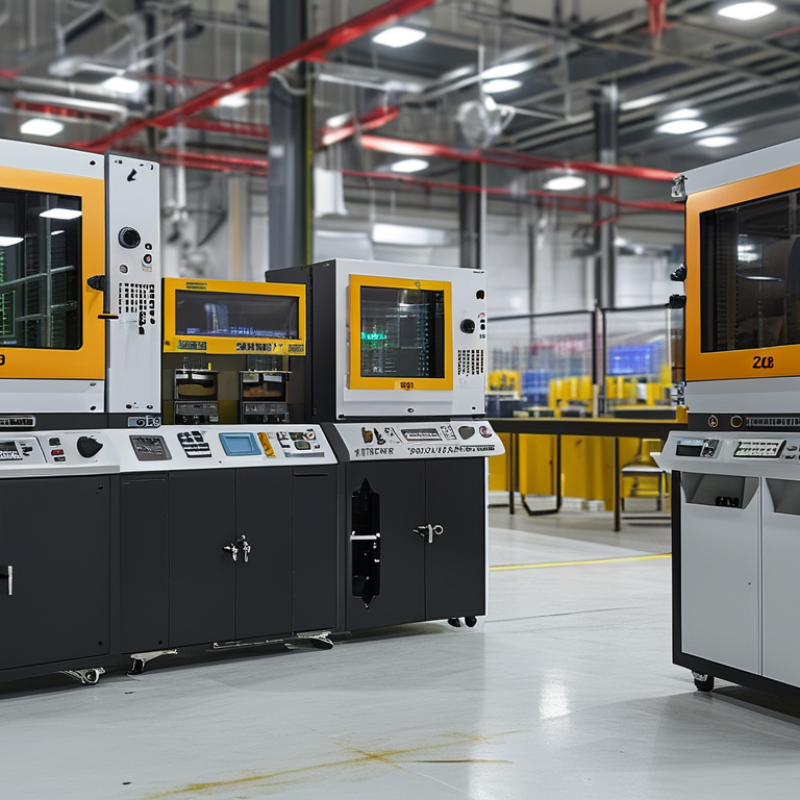
Overview of Thermal Shock Testing and Its Importance
Thermal shock testing is a crucial method to assess how materials behave under rapid temperature changes. This testing is essential for parts used in extreme environments. Sudden shifts in temperature can lead to material failures, affecting safety and performance. Understanding thermal shock is vital, especially for industries like aerospace and automotive.
One main advantage of thermal shock testing is its ability to predict potential failures. Manufacturers can identify weaknesses in materials before they are deployed. This proactive approach saves time and money. However, relying solely on this testing can lead to a false sense of security. Real-world conditions are often unpredictable. It is important to consider other testing methods alongside thermal shock tests.
When conducting these tests, some factors deserve attention. Test chamber calibration is critical to ensure accuracy. Even minor errors can skew results. Additionally, sample sizes should be representative of actual production. Larger samples provide more reliable data. It's essential not to overlook these details. Rushing through the setup may compromise test integrity.
Key Features of Top Thermal Shock Test Chambers for 2026
Thermal shock test chambers are crucial for quality assurance in various industries. As we look toward 2026, these chambers are evolving. Advanced technology allows them to simulate extreme temperature changes. This capability helps manufacturers assess product durability more effectively.
Key features of modern thermal shock test chambers include rigorous temperature cycling. Generally, these chambers transition between -70°C and 200°C within minutes. Industry reports indicate that precise temperature control can enhance testing accuracy by up to 30%. This level of precision ensures that materials can withstand real-world conditions.
Another vital aspect is data logging. Top chambers now offer enhanced data analytics capabilities. This means real-time monitoring and detailed reporting are standard features. Companies can make informed decisions based on empirical data. However, maintaining these systems can be challenging. Regular calibration and validation are necessary to uphold testing reliability. Without proper maintenance, results can become skewed. Thus, investing in quality chambers is only part of the solution; ongoing care is equally essential.
Applications of Thermal Shock Test Chambers in Various Industries
Thermal shock test chambers are essential in various industries. These chambers subject materials to extreme temperature changes. This simulates real-world conditions. Many products must endure sudden heat or cold. Testing ensures safety and durability before they reach consumers.
In the automotive sector, thermal shock testing verifies components’ resilience. Car parts face harsh climates and rapid temperature variations. In aerospace, materials are tested for extreme conditions. The reliability of aircraft components is vital. Thermal shock tests help identify weaknesses in materials. They guide manufacturers in developing stronger, more reliable products.
Electronics also benefit from thermal shock testing. Devices must perform well in various temperatures. Testing helps manufacturers avoid costly failures. However, not every test reveals critical weaknesses. Each test can only simulate certain conditions. The industry must continually seek better methods to enhance testing processes. This will ensure products truly meet customer expectations for quality and safety.
2026 Top Thermal Shock Test Chamber to Boost Quality Testing? - Applications of Thermal Shock Test Chambers in Various Industries
| Industry | Application | Temperature Range (°C) | Cycle Time (minutes) | Key Benefits |
| Electronics | Component Stress Testing | -40 to 125 | 30 | Ensures reliability of electronic components |
| Aerospace | Material Durability Testing | -55 to 150 | 45 | Validates the performance of materials in extreme conditions |
| Automotive | Parts Testing | -40 to 120 | 25 | Enhances safety and performance standards |
| Pharmaceuticals | Stability Testing | -20 to 60 | 60 | Ensures product integrity under temperature variations |
| Consumer Goods | Product Reliability Testing | -30 to 70 | 20 | Improves customer satisfaction through quality assurance |
Advancements in Thermal Shock Testing Technology and Equipment
Advancements in thermal shock testing technology are reshaping quality assurance in various industries. The latest thermal shock test chambers now offer precise temperature control and faster cycle times. According to a recent industry report, modern chambers can achieve temperature differentials of 150°C in under 5 minutes. This rapid transition mimics real-world conditions that materials may face. Such efficiency allows for more rigorous and reliable testing.
The integration of advanced sensors and automation is notable. These features ensure consistent data logging and analysis, providing manufacturers with actionable insights. Over 70% of companies reported reduced failure rates in product testing after implementing new thermal shock technology. However, challenges remain. Some test chambers still suffer from inconsistent performance. This inconsistency can lead to questionable results in critical tests. Continuous evaluation and updates in technology are essential.
As industries increasingly rely on thermal shock testing, understanding the implications of test results is crucial. The data must be interpreted correctly to avoid misjudgments. Moreover, developing robust protocols remains a priority for many manufacturers. Maintaining quality standards while adapting to technological changes poses a complex challenge.
Benefits of Using Thermal Shock Test Chambers for Quality Assurance
Thermal shock test chambers have become vital for quality assurance in manufacturing. These chambers evaluate materials under extreme temperature variations. This process helps identify weaknesses and improve product durability. According to industry reports, 70% of failures in materials can be traced back to thermal cycling stress. By utilizing these test chambers, manufacturers can enhance their product reliability and reduce return rates.
One significant advantage of thermal shock testing is its ability to simulate real-world conditions. Products often face drastic temperature changes during their lifecycle. For example, electronics might experience heat during use and cold when stored. Effective thermal shock testing can predict performance in such scenarios. This not only supports quality assurance but also streamlines production processes.
Commit to thorough testing. Understand your materials and their limits. Regularly evaluate your testing procedures for effectiveness. Inconsistent results may signal the need for revised methods. Adapt and learn from your testing experiences to enhance your overall quality assurance strategy. Emphasizing continual improvement ensures long-term success in manufacturing.
Quality Assurance through Thermal Shock Testing
This chart illustrates the benefits of utilizing thermal shock test chambers for quality assurance across different industries. The data represents the reduction in defect rates observed after implementing thermal shock testing procedures.